
In brief
As the fentanyl crisis escalates, U.S. officials accuse China, Mexico, and Canada of failing to curb the flow of this deadly opioid into American neighborhoods. Despite efforts, the complex trafficking networks and political tensions complicate effective solutions.
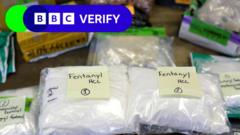
The fentanyl epidemic in the United States is a pressing concern, with the powerful synthetic opioid leading to numerous overdose deaths and public health crises. Recent developments have reignited the scrutiny on how fentanyl infiltrates the U.S. Despite efforts to control the situation, multifaceted networks of trafficking persist, reflecting a deep-seated issue tied to global commerce and geopolitics.Former President Donald Trump's administration initiated sweeping tariffs on Chinese products, citing the country's inability to halt the exportation of precursor chemicals critical to fentanyl production. American officials have consistently accused Chinese corporations of knowingly providing resources to entities that manufacture this narcotic. In retaliation, Beijing implemented its own tariffs.The White House's concerns are not limited to China; it has also pointed fingers at Canada and Mexico for not doing enough to intercept criminal organizations that smuggle fentanyl into the U.S. While Trump considered imposing tariffs on these countries as well, he opted to suspend such threats following discussions aimed at enhancing border security.Fentanyl, initially approved as a pain reliever in the 1960s, has triggered an unprecedented health crisis in the U.S. According to the Centers for Disease Control and Prevention, over 74,000 Americans succumbed to overdoses linked to fentanyl in 2023 alone. Alarmingly, this potent drug is often mixed into other narcotics unbeknownst to users, making it particularly dangerous; even a very small dose can prove fatal.The supply chain for fentanyl has grown increasingly elaborate and challenging for authorities to dismantle. Mexico has emerged as the primary transit point for fentanyl destined for the U.S. From September, U.S. Customs and Border Protection reported seizing 4,500 pounds of fentanyl, with nearly all of it—98%—intercepted along the U.S.-Mexico border. The Sinaloa Cartel and other crime syndicates in Mexico are key players in this illicit trade, utilizing various strategies to hide shipments, including mislabeling and using legitimate shipping channels.Despite claims of collusion between Mexican authorities and drug cartels, Mexico's President has branded such accusations as unfounded. Shortly after threats of tariffs were issued, Mexican security forces reported their largest fentanyl seizure to date, averting potentially millions of fatal doses from reaching the U.S.While China remains the predominant source of raw chemicals for fentanyl production, traffickers have turned to new suppliers, with India emerging as a significant new player in the trade. The gaps in chemical regulations allow for legal substances to be diverted for illicit drug production, complicating efforts for enforcement.Canada's involvement in the fentanyl crisis is also under scrutiny, with accusations that organized crime in the country is increasingly participating in the trade by importing necessary materials from China. Data shows that while only a fraction of fentanyl seizures occur at the Canadian border, there have nonetheless been reports of fentanyl moving back and forth between both nations.As the governments of the U.S., Mexico, and Canada tackle this escalating crisis, experts caution against overlooking the nuances of the fentanyl supply chain. Collaboration and comprehensive legislation are vital to curtailing the trade and ensuring public safety across North America, amidst a backdrop of complex geopolitical relations and economic tensions.
