
In brief
Pollution levels in cities like Chandigarh and Meerut soar far beyond safe limits, causing serious health issues, yet public discourse often focuses primarily on Delhi’s smog crisis.
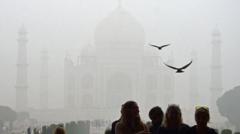
The Taj Mahal in Agra, an iconic landmark, is shrouded in toxic smog each year, highlighting a pressing issue that extends beyond the national capital. Imran Ahmed Ali, a 31-year-old lawyer from Chandigarh, feels the grim reality of this pollution firsthand: “When I stepped out of my house, it felt like I was inhaling smoke.” Chandigarh, India’s first planned city and located just 240 kilometers from Delhi, has experienced air quality levels surpassing WHO's safe limit by over 15 times for more than a month. Despite the annual winter dip in air quality, Ali reports feeling more unwell than ever. Initially believing his dry cough was a seasonal cold, he later learned that pollution was the culprit, requiring him to take medication twice a day to aid his breathing. With over 540 million people in the Indo-Gangetic plains—including Punjab, Haryana, and Uttar Pradesh—breathing toxic air during winter months has become the norm. According to IQAir, eight of the world’s ten most polluted cities last year were situated in this densely populated region. A report from the Energy Policy Institute at the University of Chicago states that prolonged pollution could shorten life expectancy in these areas by an alarming 5.4 years. While Delhi attracts media attention due to its status as India’s capital and the implementation of action plans to combat pollution, such as driving restrictions and construction bans, other northern cities often receive far less focus. Partha Basu from the Environmental Defense Fund notes this discrepancy, stating, “In people’s minds, villages are clean, green, and pristine - but that’s far from the reality.” The pollution problem is multifaceted, stemming from construction, vehicle emissions, industrial discharges, and seasonal practices such as crop burning. Winter weather conditions exacerbate these issues, causing cold air to trap pollutants close to the ground and preventing their dispersion. The Indo-Gangetic plain’s geographical limitations compound the problem, with mountain borders and low wind speeds contributing to poor air quality. Health professionals warn of severe complications from air pollution, with Dr. Rajesh Gupta, director of the pulmonary department at an Uttar Pradesh hospital, noting that many patients report burning sensations in their eyes and respiratory difficulties. The effect on mental health is equally concerning, as Aditi Garg from Meerut laments a disrupted routine that once allowed her to relish morning moments outside. Now, with pollution levels reaching "poor" or "severe," she remains largely confined indoors. For many, staying indoors is a privilege not afforded to the most vulnerable populations. In Uttar Pradesh, over 83 million individuals work in informal sectors, including daily wage laborers who are compelled to endure hazardous air conditions daily. Mohammed Salim Siddiqui, an automobile vendor from Kanpur, highlights this struggle, saying, “Two members of my family are struggling with respiratory problems because of the pollution.” The Indian government has attempted to combat pollution through initiatives like the National Clean Air Programme (NCAP), aimed at reducing harmful particulate levels by up to 40% by 2026. Despite raising awareness, experts stress that progress requires greater collaboration between local and state authorities. Both Ali and Garg express frustration over the lack of dialogue surrounding air quality, with Ali stating, “People have accepted this as part of their lives,” suggesting a concerning trend of temporary concern followed by collective amnesia until pollution peaks again. The ongoing crisis in northern India signifies a growing need for a unified response to air quality challenges that transcends Delhi, calling for sustained action and awareness across all affected regions.
