
In brief
In a grim twist of fate, Myanmar’s military junta continues unleashing airstrikes across various regions, exacerbating the suffering in the wake of a catastrophic earthquake that has claimed over 1,600 lives. Despite these tragedies, the military's operations remain relentless, eliciting outrage from international observers and human rights advocates.
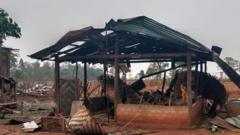
The 7.7 magnitude earthquake struck the Sagaing region, causing widespread destruction and reportedly leaving many trapped beneath the rubble. Emergent images from Naung Lin Village show buildings reduced to debris from military bombs amidst ongoing rescue efforts. The United Nations deemed the military's airstrikes “completely outrageous and unacceptable,” urging global actors to withdraw support from the junta that seized power nearly four years ago.Special Rapporteur Tom Andrews condemned the junta's actions, stating, “It is incredible that military forces are bombarding regions where relief efforts are underway.” The pro-democracy National Unity Government (NUG), representing the ousted civilian leadership, announced a temporary cessation of offensive military actions in earthquake-affected areas, although defensive responses would persist.As the violence unfolds, Myanmar has remained embroiled in a civil war post-coup, with armed groups resisting military control. Reports suggest chaotic airstrike campaigns predominantly affect regions already struggling under political turmoil, illustrating the crisis’s multifaceted nature. Additionally, the junta is grappling with its waning territorial control, holding less than 25% of Myanmar as resistance groups exert dominion over significant portions. The rising death toll from airstrikes and military operations invites scrutiny of whether these actions constitute war crimes, a consideration echoed by various global organizations.The role of foreign powers, particularly Russia and China, compounds the situation. Despite calls for a halt in arms trading with the junta, both nations continue to provide weapons and military support. Recent humanitarian efforts from these countries are viewed skeptically, raising concerns about their dual purpose amid the ongoing turmoil.The military's long-standing practice of using humanitarian aid as a tool for control only deepens the crisis residents face daily. The UN warns that as aid trickles in, previously observed patterns of obstruction and manipulation by the junta are likely to reemerge, denying crucial assistance to those in dire need throughout conflict-ridden areas.With the plight of Myanmar citizens growing increasingly dire, the need for international advocacy and intervention has never been more pressing, as the world watches a nation in anguish.

