A School Shooting in Nonthaburi
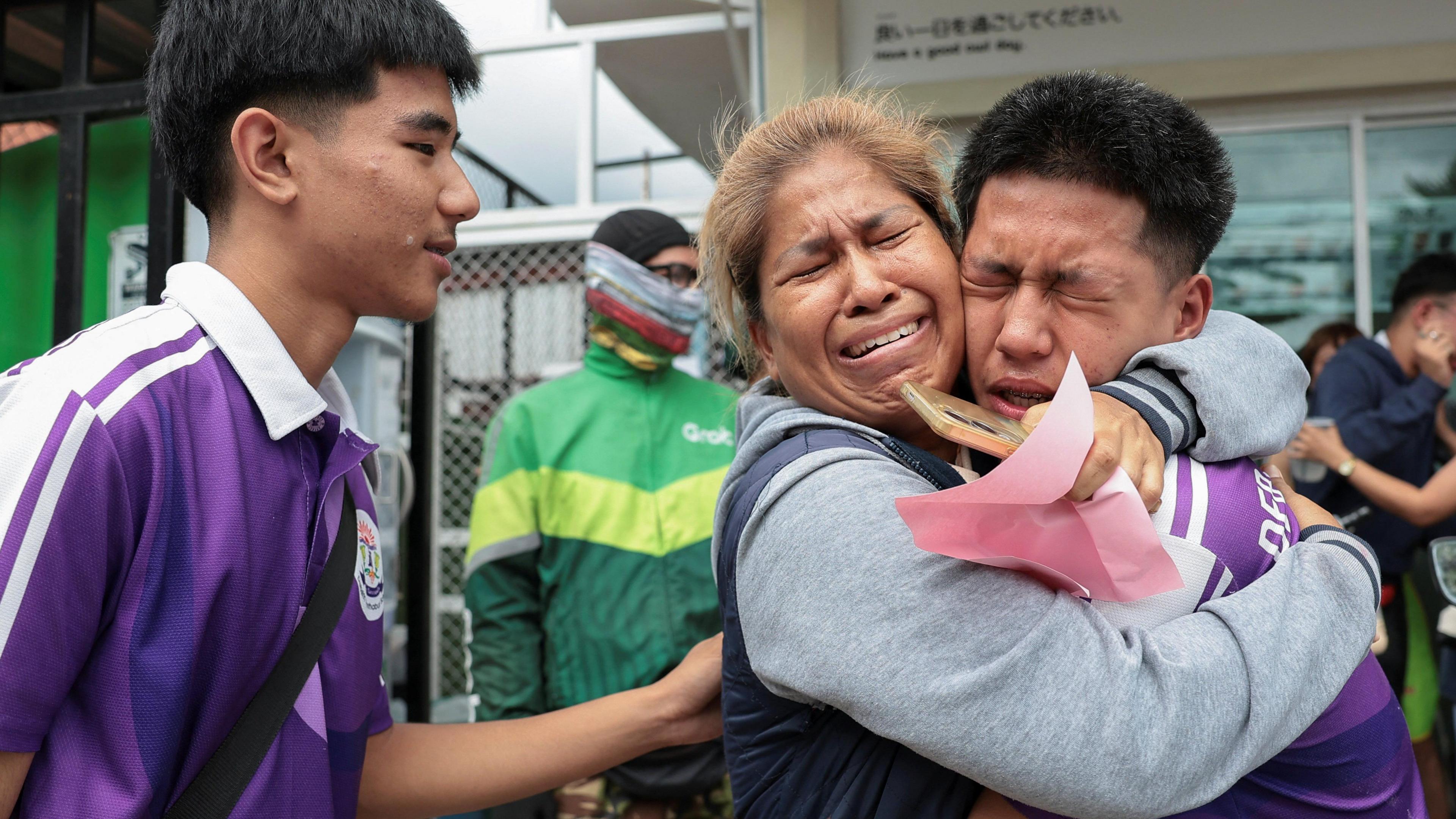
At 9 a.m. on Friday, the final classes at Debsirin School, a prestigious private school on the outskirts of Bangkok, were disrupted by gunfire that set the campus into chaos. A 14‑year‑old student entered the building, fired a 9‑mm handgun and moved from room to room, shooting five teachers and 23 others, including fellow students, before taking his own life.
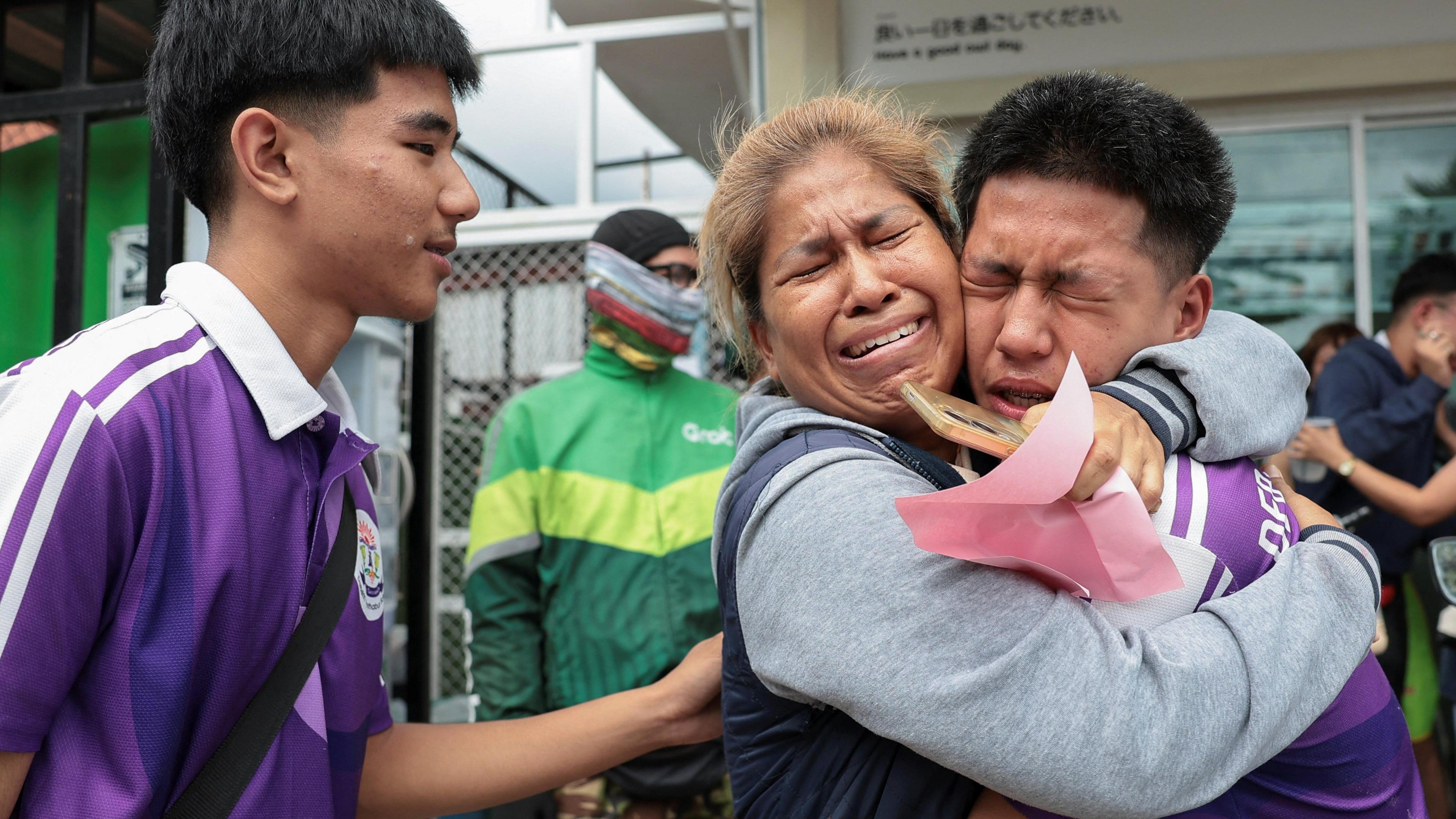
"I was standing in front of the teacher when she was shot," a shaken seventh‑grader told the BBC, describing the moment of shock that shook the entire school. In the moments after the shooting, students fled, some climbing fences to escape the violence, while others were reported to be in the severe fear of death.
The firearm used was traced to the gun owned by the victim’s grandfather, giving investigators a leading clue but leaving the motive still cloudy. Early statements from authorities say no clear motive has emerged, though the Prime Minister’s comments about the academic pressure on students may hint at potential stressors.
It is the second mass shooting at a Thai school this year – the first a month earlier in southern Thailand – and the highest number of fatalities in a single incident in the country’s recent history.
The shooting has reignited urgent discussions. Over seven million Thais hold firearms, and an estimated one million are unlicensed owners. Experts argue that the country’s porous borders and weak regulatory enforcement facilitate the black market for guns.
Opposition figures have called for systematic gun‑control reforms, citing the tragedy that occurred in a place that should have been a sanctuary. “An act of violence in an educational institution, which should be one of the safest places in society, serves as a stark reminder for Thai society to seriously and systematically review gun control measures,” said opposition leader Natthaphong Ruengpanyawut.
While investigators continue to probe the circumstances, the incident has forced the nation to confront the stark reality of unchecked gun ownership and the shielding impacts of long‑standing cultural attitudes toward firearms. The debate now surrounds whether such a tragedy merely exposes a flaw in the system or signals an urgent need for transformative policy change.