
In brief
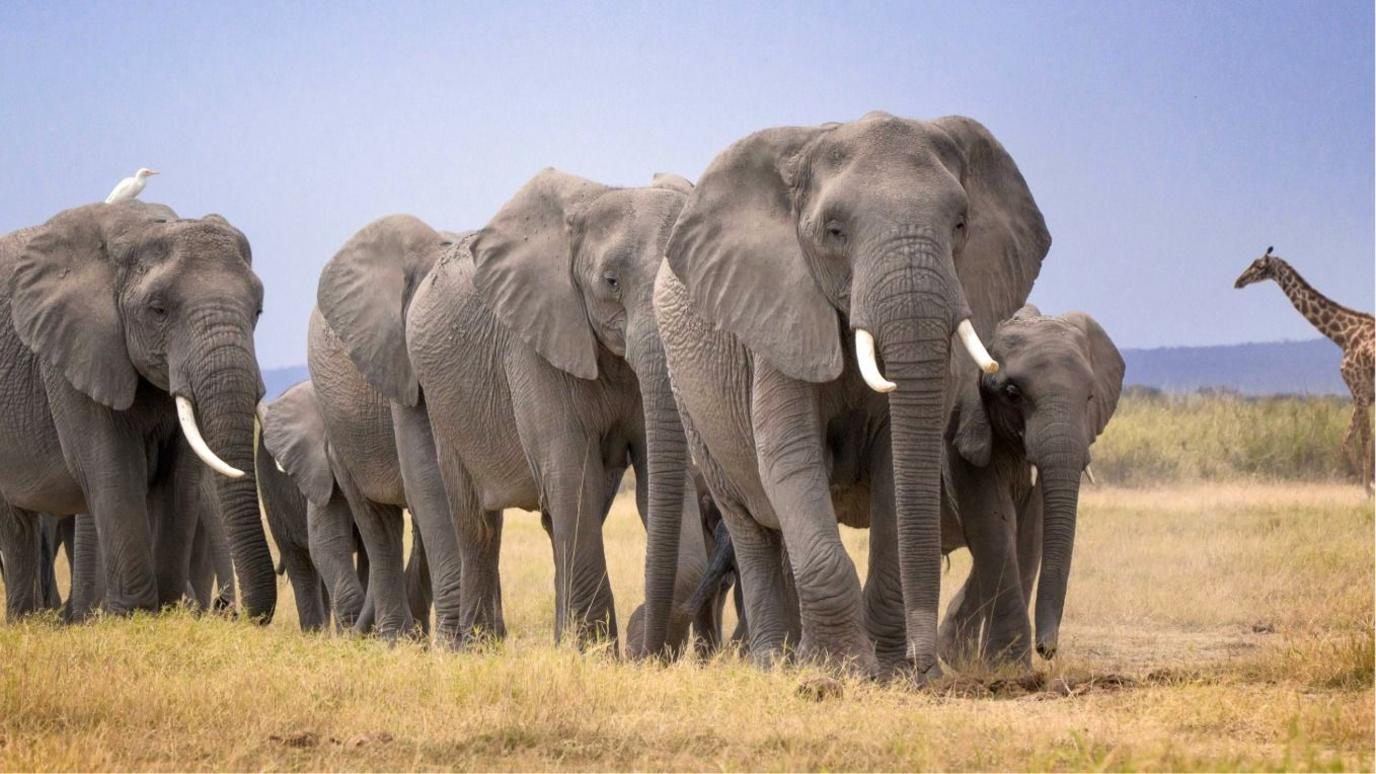
A shocking spike in elephant mortality has been recorded near Amboseli National Park in southern Kenya. The Kenya Wildlife Service has taken the bodies to laboratories, searching for evidence of disease, poisoning or other causes. Officials note this is the first large-scale death toll in decades, raising concerns amid a successful anti‑poaching campaign. The dead included elephants of all ages and sexes, hinting that a widespread factor may be at play.
A sudden cluster of 14 elephant carcasses has been discovered between the villages surrounding Amboseli National Park in Kenya, prompting an urgent investigation by the Kenya Wildlife Service (KWS). Photos of the bodies, recovered over a range of 15‑30 kilometres from the park’s boundaries, indicate the animals span different ages and sexes, suggesting no single demographic has been affected.
KWS is conducting a thorough post‑mortem analysis, sending tissue samples to laboratories to test for disease, toxin exposure or other causal factors. Early statements from KWS officials say no single cause has been identified yet, and the investigation is ongoing.
Amboseli is part of a larger ecosystem that straddles Kenya’s border with Tanzania and is home to a population estimated at over 2,000 elephants as of 2025. Authorities emphasize that this is the first time in decades that a large death toll of elephants has been recorded in an area where anti‑poaching efforts have been effective.
The findings have raised alarm among wildlife conservationists and local communities, who fear that hidden pressures may be increasing on already vulnerable elephants. The KWS has pledged to keep the public informed as more information becomes available.
Related Links
- <p>Craig the beer‑ambassador elephant dies aged 54</p>
- <p>Tourist pouring beer down elephant's trunk in Kenya sparks anger</p>
- <p>'I'm afraid that elephants will kill me'</p>
