In brief
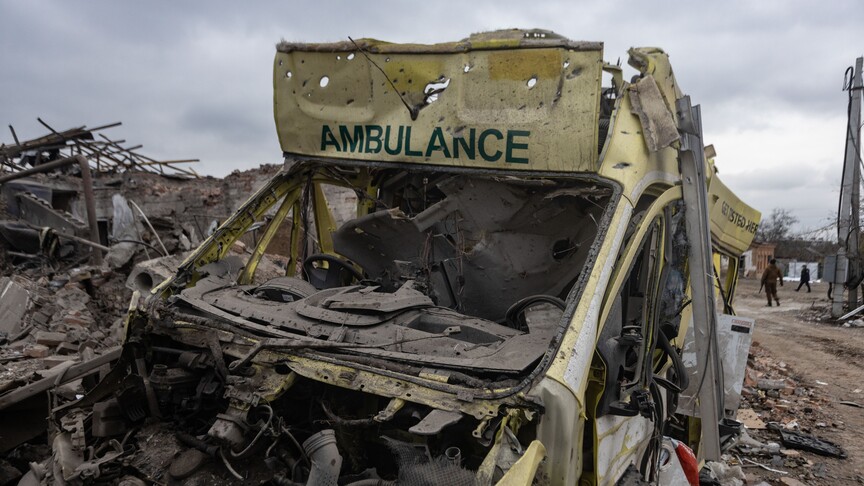
Medical facilities in Ukraine are struggling with an alarming increase in drug-resistant infections, exacerbated by the war, endangering the lives of countless patients and complicating treatment efforts.
As Ukraine's war continues, healthcare providers are witnessing a troubling surge in cases of antimicrobial resistance (AMR), escalating the dangers faced by wounded soldiers and civilians. Pte Oleksander Bezverkhny, a 27-year-old soldier, epitomizes the urgency of this crisis; after suffering severe injuries and multiple amputations, he battled five infections that were resistant to standard antibiotics during his lengthy treatment at Feofaniya Hospital in Kyiv.Antimicrobial resistance occurs when bacteria evolve to withstand antibiotics, rendering common treatments ineffective. This global health issue saw around 1.4 million deaths linked to AMR infections in 2021 alone, with the UK reporting over 66,000 serious cases in 2023. However, Ukraine's ongoing conflict has exacerbated the spread of multi-drug-resistant bacteria among hospitalized patients.Dr. Andriy Strokan, the deputy chief physician at Feofaniya Hospital, reported that over 80% of admitted patients are suffering from infections caused by resistant microbes. The simultaneous influx of injured individuals, combined with challenges related to hygiene and staffing, has overwhelmed medical facilities. For instance, Dr. Volodymyr Dubyna, head of the intensive care unit at Mechnikov Hospital, noted that patient beds have expanded from 16 to 50, straining resources amid ongoing conflict.Concerns arise from how medical facilities handle AMR cases, as many are ill-equipped to isolate infected patients due to overwhelming patient volumes. This lack of isolation can lead to unchecked spread of resistant strains among soldiers who may pass through multiple treatment centers, further complicating their recovery process.The implications are severe; medical staff must tread a precarious line between effectively treating life-threatening infections and avoiding the overuse of critical antibiotics that could contribute to the rise of new drug-resistant organisms. In the case of Pte Bezverkhny, expensive reserve antibiotics sourced by volunteers were the only option after standard medications proved ineffective.Despite efforts to save lives, the relentless evolution of resistant pathogens continues to challenge healthcare providers in Ukraine as they face the dual pressures of a war-torn environment and a growing crisis of antimicrobial resistance. As medical teams work tirelessly to provide care amidst the chaos, the situation underscores the dire need for increased resources and systemic change in the management of antibiotic-resistant infections.