
In brief
Vance's combative stance signals a shift in U.S. foreign policy under the Trump administration and highlights the growing assertiveness of the vice-president in international affairs.
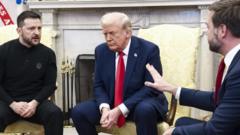
In a striking display of assertiveness, Vice President JD Vance led an unexpected confrontation with Ukrainian President Volodymyr Zelensky during a recent meeting in the Oval Office. The encounter, initially cordial, turned contentious when Vance took center stage, challenging Zelensky on his perceptions of U.S. diplomacy regarding the ongoing Ukraine-Russia conflict. Vance's comments not only stunned the Ukrainian leader but also underscored a significant shift in U.S. diplomatic dynamics."What kind of diplomacy are you speaking about?" Zelensky questioned Vance, who had earlier applauded President Trump for seeking a diplomatic end to the war. Vance retorted sharply, implying that Zelensky was being disrespectful by contesting U.S. efforts while in the Oval Office. He also accused the Ukrainian leader of politically campaigning for Democrats during the 2024 presidential election, citing Zelensky’s visit to a Pennsylvania munitions factory.Vance's outspoken critique garnered notable backing from Republican legislators. South Carolina Senator Lindsey Graham expressed pride in Vance's stance, while Alabama Senator Tommy Tuberville disparaged Zelensky, dubbing him a "Ukrainian weasel." In contrast, Congressman Mike Lawler called the meeting a lost opportunity for both nations.This assertive approach marks a departure from the typically subdued role of past U.S. vice-presidents, such as Mike Pence, who often acted as loyal aides. Vance's assertiveness aligns closely with Trump's foreign policy instincts, suggesting he may be positioning himself as a vocal defender in this administration. His skepticism towards Ukraine aid is not new; during his Senate campaign, he openly stated that he did not care about Ukraine’s future.Despite his notable popularity within conservative circles, Trump has yet to clarify Vance's prospective path to the presidency in 2028. However, Vance’s emerging role as a political fighter could be pivotal, as he appears to take a lead in Trump’s foreign policy discussions, emphasizing a more confrontational style.Vance's willingness to confront not just foreign leaders but also European allies aligns with a broader ideological shift, as he previously criticized European democracy at the Munich Security Conference. His remarks drew backlash, and Vance has engaged with critics on social media platforms, dismissing their concerns as "moralistic garbage." Moreover, in a separate exchange in the Oval Office, Vance challenged U.K. Prime Minister Sir Keir Starmer on free speech, which Starmer firmly rebutted. This trend raises questions about whether Vance is acting on his own volition or in coordination with Trump's strategic aims to reshape international narratives.As these events unfold, the dynamics between the U.S. and its allies may be poised for significant change, with Vance’s confrontational diplomacy potentially laying the groundwork for future campaign aspirations. What remains to be seen is whether this approach will garner broader support or isolate the U.S. on the international stage.

