
In brief
Companies, including JM Smucker, urge the Trump administration to impose reciprocal tariffs to combat trade imbalances, despite concerns about potential backlash and wider economic implications.
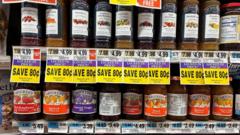
The shelves of grocery stores across the United States are lined with products like St Dalfour strawberry spread and Bonne Maman raspberry preserves, which are part of the over $200 million in jams that Europe exports annually to America. However, when searching for American-made jelly in Europe, consumers are likely to be disappointed, as the US typically exports less than $300,000 worth of jam to the EU. This stark contrast is attributed to a hefty import tax of 24% or more that US fruit spreads encounter in the European market. JM Smucker, a leading US jam producer, pointed to this tariff in a recent letter to the White House, advocating for reciprocal tariff measures as the Trump administration prepares to unveil new tariffs targeting America’s largest trading partners.This trade imbalance has sparked frustration among US businesses, an issue that President Trump has aimed to address with his tariff policy. While many have expressed concerns about the added costs and potential repercussions of a trade war, firms like Smucker are leveraging their positions to petition for equitable trade practices, particularly through tariffs against EU products. The company emphasized that higher duties on foreign jams would help rectify the current inequalities, contrasting the 24% tax in the EU with a much lower 4.5% tariff in the US.Trump's tariff-centric strategy has raised eyebrows globally, generating both anger and confusion. With mounting pressure on the president to take action, hundreds of businesses have sent letters to the White House requesting changes to trade policies. Various sectors, from apple farmers to streaming services, have highlighted the discrepancies in tariffs they face in other countries, including as high as 50% in India. This trade dialogue is set to intensify, as anticipated announcements on new tariffs are approaching.As the date for tariff announcements draws near, uncertainty looms over how these measures will impact ongoing trade relations. While the president has used terms like “Liberation Day” to frame his approach, concerns persist over the potential backlash from affected nations, as countries begin to counter with their own tariffs. In this climate of unpredictability, tensions rise, and businesses seek clarity on how to navigate the shifting trade landscape.Amid these changes, Republican support for Trump's tariffs is notably strong, framed as a necessary fight for American producers and workers. Fear of increasing prices and market volatility persists among businesses, prompting companies like NorthStar BlueScope Steel to advocate for targeted measures that don’t excessively burden their operations. The political and economic ramifications of these forthcoming tariffs are yet to unfold, with both caution and optimism percolating through various sectors as they grapple with the administration's broad approach to renegotiating trade deals.

