
In brief
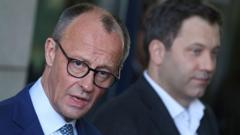
In a pivotal move for Germany's future, Friedrich Merz has secured a deal with the Social Democrats, committing to tackle economic recession and defense issues, while also addressing immigration concerns.
In a significant political development, Friedrich Merz, leader of Germany’s conservative party, has announced a coalition agreement with the Social Democrats, paving the way for a new government five months after the previous administration's collapse. Merz emphasized that the draft deal, which resonates with a desire for a "strong government capable of action," demonstrates Germany's commitment to stability and decisive governance during turbulent times."This agreement sends a strong and clear signal to the German people and the European Union. It assures them that Germany is once again on a promising trajectory," Merz stated, indicating a renewed focus on economic recovery and defense commitments. The coalition, as it awaits parliamentary approval in early May, comes at a time when the nation is grappling with recessionary pressures exacerbated by external economic factors, including trade tariffs from the U.S.The coalition’s agenda highlights key areas of reform, with Merz pledging to enhance Germany's defense capabilities and address pressing migration issues through enhanced border controls. He acknowledged the urgency of responding to the far-right Alternative for Germany (AfD), which has gained traction in recent polls, pressuring the coalition to demonstrate its efficacy and appeal.With the intent to increase defense spending and invest in military resources, the new coalition seeks to bolster the Bundeswehr and ensure comprehensive support for Ukraine amidst ongoing geopolitical tensions. Despite Merz's inexperience in a cabinet position, continuity is expected with the retention of the outgoing defense minister, a move that aims to ensure stability.While optimistic about the coalition’s potential to streamline governance and address critical issues, concerns linger among left-leaning politicians who argue that the coalition's strategies do not sufficiently address the nation’s economic downturn or the challenging global landscape.Polls indicate that Merz's conservatives are trailing closely behind the AfD, marking a pivotal moment in German politics as the coalition looks to reshape its narrative and respond effectively to the pressing demands of its citizens.

