
In brief
The US has announced a new trade agreement with the UK that slashes tariffs on certain British cars and metals, offering limited respite from tariffs imposed under Trump. While the deal aims to bolster the UK economy, reactions are mixed, highlighting ongoing uncertainties.
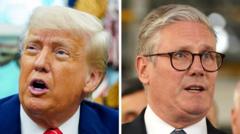
The United States and the United Kingdom have reached an agreement that will see a reduction in various import tariffs imposed on British cars and metals among other items. This new trade deal, celebrated by leaders from both nations, aims to provide relief to crucial sectors within the UK economy, following the tariff increases announced by President Donald Trump since he resumed office in January. While the move has elicited some optimism, it maintains a 10% duty on the majority of goods from the UK. Economists caution that this incremental change does not significantly overhaul the trading dynamics that were in place prior to Trump’s adjustments this year. Officially, no formal document was signed, leading to ambiguity about the finer elements of the agreement.At the unveiling of the deal, Labour leader Sir Keir Starmer hailed it as a major breakthrough for British industries, stating it would secure thousands of jobs, particularly in sectors such as automotive manufacturing and steel production. Meanwhile, Trump labeled the agreement as a "great deal," emphasizing aspirations for its expansion.The specifics of the deal include a reduction in the tariff on US imports of British vehicles, cut from previous rates by 25% to 10% for the first 100,000 cars traded annually, targeting luxury brands like Jaguar Land Rover and Rolls Royce. Business Secretary Jonathan Reynolds warned that without this agreement, the UK faced potential job losses in the automotive industry, emphasizing the seriousness of the tariff situation.In concert with the automotive concessions, tariffs on steel and aluminum imports have reverted to a quota system, previously established before Trump's increases to 25%. Under the new arrangements, both countries will allow each other to import up to 13,000 metric tons of beef, a significant boost from the previous cap of 1,000 metric tons subject to a 20% duty. The US Agriculture Secretary heralded this development as a substantial opportunity for growth worth an estimated $5 billion in overall trade expansion.Reactions from the industry have been divergent. The UK Steel director welcomed the lowered tariffs as a significant relief for their sector. However, other business leaders expressed a sense of cautious optimism, indicating that while circumstances are improved from previous weeks, there is still a long way to go. Opposition voices in Parliament are demanding more information and scrutiny over the agreement, with notable criticism from Conservative Party leader Kemi Badenoch, who characterized the deal as lacking in desirability for the UK. Calls for parliamentary consideration and further debate on the implications of the agreement have been echoed by members of the Liberal Democrats.Agricultural stakeholders in the US have also been watching the agreement keenly; the changes appear beneficial for American ranchers, but further clarification on food and pharmaceutical standards promises to remain contentious. Overall, the newly brokered deal emerges in a swirl of mixed sentiment, with lasting ramifications likely to unfold as details materialize.

