In brief
Following the recent tragic assassination of political figure Charlie Kirk, there are concerns about rising divisiveness in the United States. Despite calls from leaders like Utah's Governor Spencer Cox for unity, the incentive structures in politics and media seem to favor heightened tensions. Historical reflections suggest that while periods of violence and division are not new, today's social media dynamics add a dangerous twist. As America faces this crossroads, the quest for reconciliation appears more challenging than ever.
It has been a brutal week in America and I'm not the only one wondering whether the country can pull itself out of this spiral of hatred and violence.
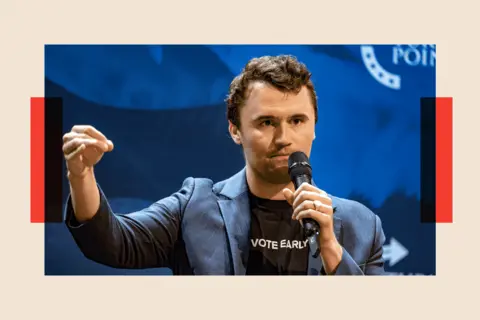
After one of the most searing assassinations in US history, the governor of Utah pleaded for Americans to turn down the political temperature. But hardly anyone that I've spoken to since Charlie Kirk's death thinks that will be the path the country will choose. Not anytime soon, at least.
Recent history is full of examples where America has chosen not to come together after a tragedy. It didn't happen 14 years ago after a Democratic congresswoman was shot in the head in Arizona. Nor eight years ago when a Republican congressman was shot during baseball practice. Americans didn't come together in the face of a global pandemic either—in fact, Covid made divisions worse.
The reason is simple, yet hard to change. The incentives that fuel American political life reward people and platforms that turn up the heat and not those who dial tensions down. Since Kirk's recent death, political camps have already reverted to opposing narratives. Many on the left are eager to explore radicalization through internet subcultures, whereas many on the right are focused on blaming a left-wing conspiracy.
As America stands at this crossroads, we find ourselves contemplating the very nature of division and whether reconciliation is genuinely achievable. Experts argue that the political landscape has shifted dramatically, making it increasingly difficult for leaders to rise above partisanship. Governor Spencer Cox’s plea for decreased hostility highlights an underlying cultural struggle, as does the stark reality of social media's role in aggravating political violence.
The dialogue surrounding Kirk's assassination is a reflection of not only personal loss but also a broader commentary on the United States’ current psychological state. While some believe history can provide hope—learning from past cycles of violence and division—many fear that without strong leadership and a commitment to unity, the social and political fabric of the nation may weaken further.