In brief
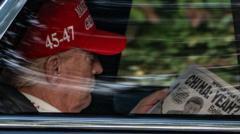
As the U.S. implements a sweeping 10% tariff on all imports, President Donald Trump has urged citizens to stay strong in face of market volatility, which resulted in a significant drop in stock indexes. The U.S. market suffered its worst week since 2020, with major indexes losing more than 5% in value amid a flurry of protests against Trump's policies across the nation. The president described the current economic upheaval as an "economic revolution" that he believes the U.S. will triumph over, promising historic outcomes despite the challenges. Meanwhile, international markets, particularly in the UK and Asia, have faced declines, and China has reacted with its own retaliatory tariffs. As demonstrations erupted nationwide, the implications of these tariffs on global trade continue to unfold, prompting industries like Jaguar Land Rover to reevaluate their operations with the U.S.
On Saturday, the U.S. commenced a 10% "baseline" tariff on imported goods instating turbulence to global financial markets, as President Donald Trump urged Americans to remain resilient. Amidst this economic upheaval, major stock indices in the U.S. recorded steep declines, with the S&P 500 facing almost a 6% drop. Trump characterized the market fluctuations as part of an "economic revolution," expressing confidence that the U.S. would emerge victorious. His call to "hang tough" resonates amidst ongoing protests across major cities regarding his administration's policies, highlighting widespread discontent. Simultaneously, international markets are bearing the brunt of the tariff impacts, particularly in the UK, where significant financial losses have triggered a backlash from world leaders. In response, China unveiled its own tariffs on U.S. imports, intensifying the ongoing trade tensions and prompting concerns about global economic stability. With the effects of these tariffs reverberating across supply chains, corporations like Jaguar Land Rover are reassessing their business strategies in the U.S. market.