
In brief
As Israel's military operation intensifies, Russian officials have dubbed the situation "alarming," aware of the risks it poses to Moscow’s interests in the Middle East. While potential economic benefits like rising oil prices could favor Russia, the Kremlin faces significant challenges as it attempts to navigate its partnership with Iran amid escalating conflicts. The current crisis is compelling discussions about the dynamics of international relations and Putin’s strategy for maintaining influence in a rapidly changing geopolitical landscape.
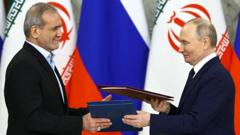
Russian media and officials have reacted to the growing conflict between Israel and Iran with a mix of concern and opportunism. The current military escalation, described by Moscow as "alarming" and "dangerous," could lead to an increase in global oil prices, potentially benefiting Russia financially. At the same time, it offers a distraction from the ongoing war in Ukraine, leading to speculation that global attention may shift away from the Russian conflict. However, experts warn that the prolonged violence poses serious risks for Moscow. Andrei Kortunov, a political scientist, highlighted in the business daily Kommersant that Russia's inability to prevent Israel's military actions against Iran—despite a strategic partnership agreement signed just months ago—could diminish Moscow's credibility as a regional power. The partnership with Iran, while touted by both Putin and Foreign Minister Sergey Lavrov as a significant step toward enhancing regional security, does not entail military obligations. Russia has distanced itself from any commitment to provide direct military support to Tehran during this crisis. Additionally, Russia's strategic position is further complicated by the recent loss of its ally, Bashar al-Assad, in Syria, raising concerns about the potential for another loss in influence if Iran were to face regime change. This week, President Putin is attending the annual International Economic Forum in St. Petersburg, an event that, despite past resemblances to "Russia's Davos," now sees diminished participation from major Western business leaders due to the ongoing Ukraine conflict. Russian officials are expected to leverage the event to assert that attempts to isolate Russia have failed, but geopolitical tensions, particularly regarding the Middle East and Ukraine, remain a focal point. With significant changes unfolding in global politics, all eyes are on the Kremlin's responses and whether it can maintain its influence amid shifting alliances and growing conflicts.

