In brief
In Idlib City, Syria, where the Islamist group Hayat Tahrir al-Sham has established control, everyday life unfolds under a mix of repression and reform. Cafes abide by a ban on music and hookah to comply with the ruling group's regulations; however, residents also note significant improvements in public services.
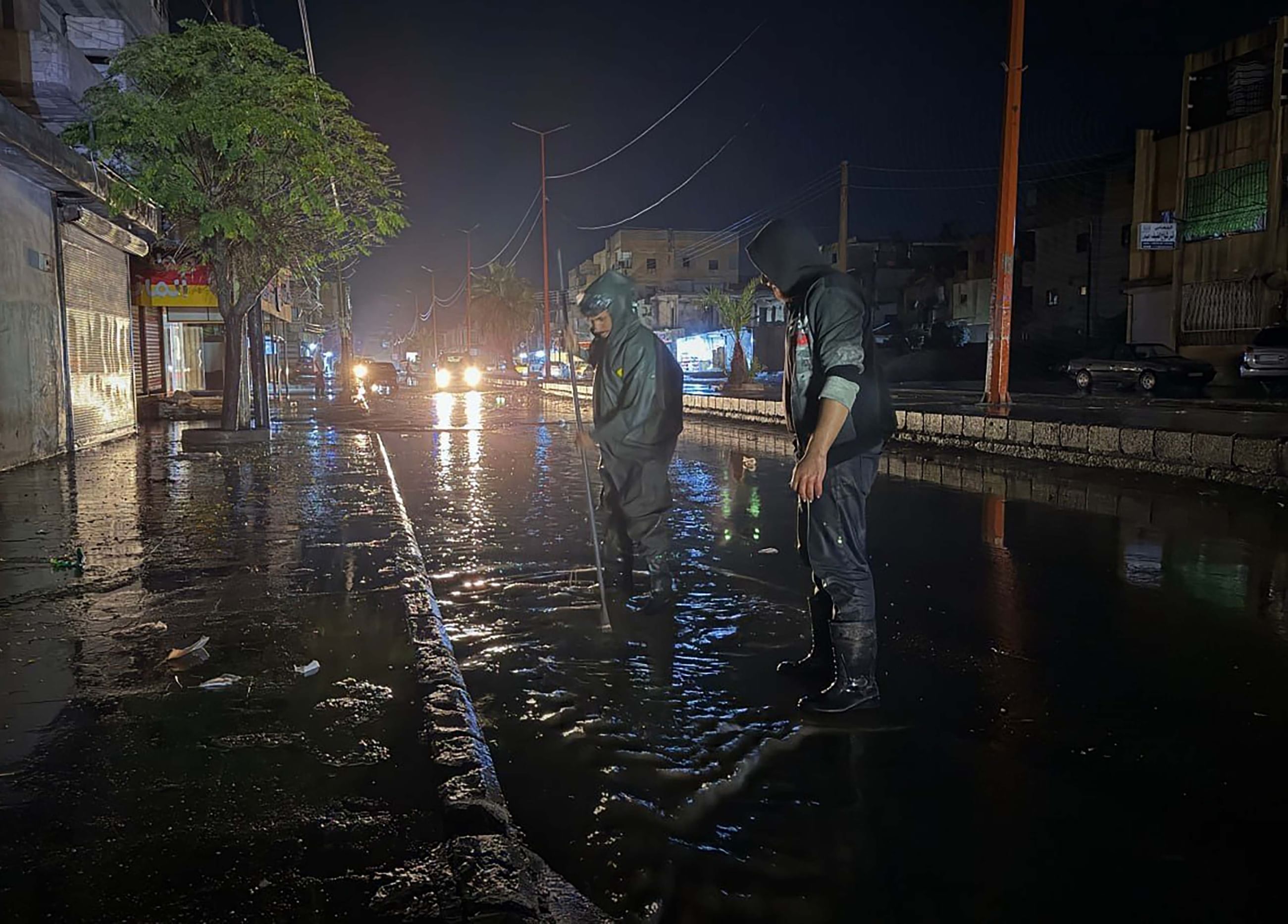
In a typical scene at the Shababeek cafe, the atmosphere is a blend of adherence to tradition and the new normal imposed by the ruling authorities. Owner Yahia Naeme reflects on the challenges of the music and hookah ban, which has driven some customers away. Despite the restrictions, creativity has emerged—other venues have adapted by creating secret spots to preserve elements of social life that have been suppressed.Despite the strict governance, the residents express a nuanced acknowledgment of the changes brought by the rebels, particularly in areas such as water supply and sanitation. This duality highlights a broader narrative within the complex landscape of Syria’s ongoing conflict, where strict laws coexist with efforts to earn public approval.The dynamics in Idlib are emblematic of the broader regional struggle, as the community navigates a reality that intertwines governance and daily life. Now, as residents weigh the costs and benefits of rebel rule, they symbolize the intricate balance between authority and livelihood amidst ongoing turmoil. Moving forward, the situation in Idlib will likely remain fluid, characterized by the ongoing challenge of governance, public sentiment, and the quest for stability in a fractured society.