In brief
As Band Aid's new rendition prompts criticism over its depiction of Africa, a deeper examination of charity narratives reveals the need for a more inclusive approach in fundraising.
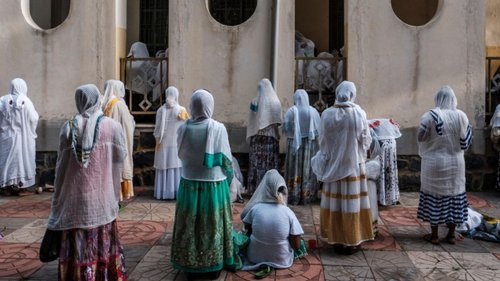
The release of a new version of the iconic charity single "Do They Know It’s Christmas?" has reignited the contentious debate surrounding its portrayal of Africa, particularly Ethiopia, where Orthodox Christians celebrate Christmas on January 7. Four decades after its debut, the track, initially created in response to the devastating 1984 famine, continues to evoke strong reactions regarding its implications and the messages about African culture."In 1984, the song portrayed Ethiopia as devoid of life and hope," remarked Dawit Giorgis, who, back then, was the Ethiopian official responsible for communicating the realities of his country to the world. He recalls the inaccuracy of the song's narrative: "We knew Christmas before your ancestors." Nonetheless, he acknowledges that the charity efforts catalyzed by the famine coverage did indeed save lives and highlight the plight of the Ethiopian people.The core of the debate revolves around the simplistic and often detrimental imagery used in fundraising campaigns. Critics argue that the lyrics and visuals reinforce outdated stereotypes—depicting Africa as a monolith plagued by despair. Ed Sheeran, who was featured in a later version of the song, expressed discomfort with how his contributions were used, claiming the narrative has shifted and calling for a recognition of the joy and resilience present in Africa today.The criticisms extend beyond individual artists to include broader analyses from charity advocates. Lena Bheeroo from Bond, which represents over 300 charities, emphasized that initiatives like Band Aid perpetuate harmful narratives that strip people in crisis of their dignity. This sentiment is echoed by Kenyan satirist Patrick Gathara, who points to a significant evolution in how humanitarian agencies frame their outreach, focusing more on the humanity of individuals rather than exploiting their suffering.Moreover, there is a growing movement within the charity sector toward involving the beneficiaries in the storytelling process, avoiding the top-down approach that characterized past efforts. Academics and activists argue that Africa should not be merely a subject of charity campaigns but rather a collaborator in shaping its narrative. If a project akin to Band Aid were to launch today, it would likely be led by African musicians, reflecting a significant cultural shift. Such projects would aim to encapsulate a more nuanced and dignified representation of African experiences, showcasing the continent's rich tapestry rather than highlighting only its challenges.Commentators have noted the necessity of re-evaluating the methods employed by non-profits and how they recruit celebrities for campaigns; larger stars can sometimes overshadow the issues at hand, leading audiences away from crucial conversations. As the legacy of Band Aid continues to reverberate, the pressing need for a new narrative is acutely felt. The challenge remains: how can charities engage effectively with media while fostering a profound understanding of African realities, ensuring stories are shared that embody both struggle and strength?