François Bayrou’s reputation as a seasoned centrist politician is well-established, but whether he can lead France out of its political crisis remains in question. Following the ousting of Michel Barnier, President Macron has turned to Bayrou in hopes of maneuvering through a turbulent parliamentary landscape formed by three opposing blocs. Since the National Assembly remains gridlocked until mid-2025, predicting Bayrou's success may be overly optimistic.
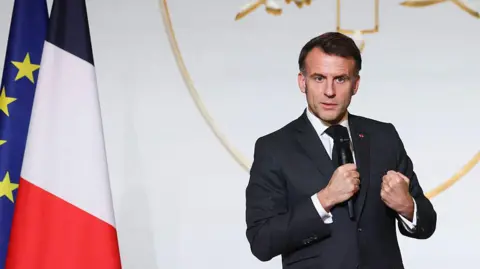
Macron's initial strategy involved engaging the Socialist Party (PS) to form a left-leaning coalition, but stark differences over policy made this difficult. Instead, he sought assistance among his trusted allies, ultimately selecting Bayrou, a long-time supporter who once vitalized Macron's initial campaign.
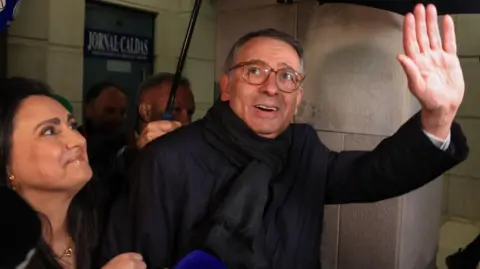
At 73, Bayrou boasts over 40 years in political life and has led the Modem party since its inception in 2007. With roots in Christian Democrat values, he emerged during an era marked by Jacques Chirac's Gaullist influence. His time as education minister from 1993-1997 was significant, and although he briefly served as justice minister in 2017, a subsequent party funding scandal forced him to resign.
A prominent local figure, Bayrou has been mayor of Pau since 2014 and has previously stood for the presidency three times, achieving his best result in 2007. His ability to build relationships with both left and right factions offers potential advantages in a precarious political landscape. He has previously shown willingness to support left-leaning candidates, establishing rapport with Socialists while advocating for fiscal restraint to appeal to right-wing constituents.
However, the National Rally, led by Marine Le Pen, has already cautioned against a perceived continuation of Barnier's policies under Bayrou. Political analysts note his independent nature, which may challenge Macron’s directives, and Bayrou may lean more towards the left in his policymaking.
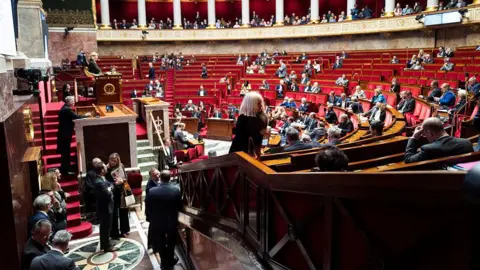
The current government crisis reflects a significant power shift, reminiscent of France’s Fourth Republic, where parliamentary factions wield greater influence. Bayrou's immediate challenge lies in forming a new government, which will indicate his capacity to foster collaborations with both ends of the political spectrum. He must present a new budget soon to address the void left by Barnier’s administration, all while navigating anticipated opposition from both far-left and far-right fronts.
Macron's recent remarks indicate a desire to shun further destabilization of the Assembly, yet critics argue that any non-aggression pact among factions would result in stagnation on crucial issues, including the nation’s increasing debt. As Bayrou steps into his role at Hôtel Matignon, he faces the daunting task of restoring political cohesiveness in France amidst pressing challenges.