
In brief
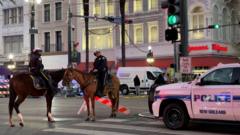
At approximately 3:15 AM on New Year's Day, a rental truck driven by Texas resident Shamsud-Din Jabbar plowed into jubilant crowds outside bustling bars in the French Quarter, spurring a devastating and chaotic scene that quickly shifted from celebration to tragedy. Witnesses described the heart-stopping moment as they heard the engine roar followed by screams of horror, metal crunching, and the chaos that ensued.
The truck sped down Canal Street, veered onto Bourbon Street, and continued for three blocks, striking more partygoers before eventually crashing. Local authorities promptly arrived, with radio communications indicating multiple casualties, including severe injuries among many victims. Jabbar exited the vehicle and engaged in gunfire with police, leading to his demise at the hands of law enforcement.Notably, the FBI later discovered an Islamic State black flag and two suspected improvised explosive devices in proximity to the attack's site, raising concerns over whether Jabbar acted independently or as part of a more extensive plot. The attack stirs discussions on security measures, with many observers questioning why additional protections weren't in place to safeguard the packed crowds on such a notorious night. As the investigation unfolds, the New Orleans community is beginning to heal, with local bars reopening amidst a mixture of sorrow and resilience. Many residents, like local DJ Derrick Albert, highlighted the need for improved security protocols in the wake of heightened risks previously acknowledged in law enforcement memos. Nevertheless, the spirit of New Orleans remains defiant as the city vows to bounce back from this dark episode.As the investigation continues, the echoes of that tragic night linger, reminding the city of both the vulnerability and strength within bustling public spaces. Authorities are under pressure to enhance safety measures to prevent such heart-wrenching events in the future.
