In brief
The arrest of acclaimed writer Boualem Sansal upon his return to Algeria has incited global criticism from literary circles and human rights advocates, highlighting ongoing tensions between the Algerian government and dissenting voices.
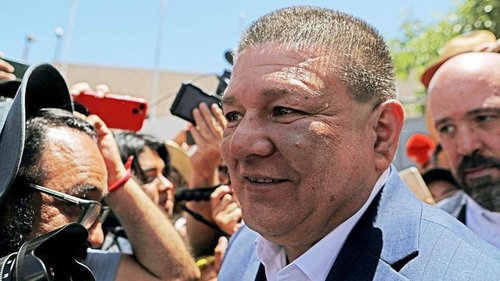
The recent arrest of Boualem Sansal, a prominent French-Algerian author, has sent ripples through international literary and political communities. The 75-year-old novelist, known for his outspoken criticism of the Algerian regime, was detained shortly after his arrival in Algeria on November 16, leading to widespread alarm and speculation about the implications of his detainment.Sansal's whereabouts were undisclosed for nearly a week, with the Algerian authorities providing no official explanation for his arrest. Upon his appearance in court, Sansal faced allegations of “endangering the nation,” a term his lawyer, François Zimeray, attributes to the author's contentious commentary regarding Algeria's turbulent relationship with former colonial power France.Earlier in the year, Sansal completed the naturalization process as a French citizen while maintaining his Algerian nationality. His sharp views often challenge the status quo, and recent statements concerning historical land disputes involving French colonization have further escalated tensions. Specifically, Sansal's remarks suggested that French rule adversely impacted Morocco by favoring Algeria, which caught the attention of Algerian officials, particularly in the context of President Emmanuel Macron’s supportive stance towards a Moroccan sovereignty plan concerning the contested Western Sahara.Sansal’s arrest has led to immediate calls for intervention from international bodies advocating for free expression, drawing attention to the larger issue of governmental suppression of dissent in Algeria. As the literary community rallies in defense of Sansal, the incident underscores the fragile state of civil liberties in countries grappling with authoritarian governance.