
In brief
The appointment reflects Beijing's strategy to navigate its ongoing trade conflict with Washington, which is straining China's export-driven economy.
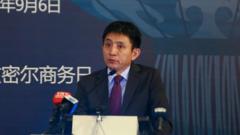
In a surprising move, China has named a new trade envoy, Li Chenggang, as tensions with the United States escalate over tariffs and trade practices. Li, a seasoned diplomat with prior experience at the World Trade Organization (WTO) and as deputy permanent representative to the United Nations, succeeds veteran negotiator Wang Shouwen, who had previously navigated trade discussions with the US during the Trump administration. The change comes at a critical juncture, as US tariffs on Chinese goods have surged substantially, with recent increases from 10% to a staggering 145%. Chinese officials have criticized these tariffs, labeling them as "tariff barriers and trade bullying," asserting they jeopardize the international economic landscape.Despite an optimistic GDP growth rate of 5.4% for the first quarter, the numbers may present a false sense of security, as they reflect performance prior to the increased tariffs. Economists predict future contractions as the full effects of the tariffs take hold. There are indications that Chinese exports were bolstered in March as companies rushed to ship goods before the tariffs escalated—a phenomenon known as "front loading."During a recent press briefing, Sheng Laiyun from the National Bureau of Statistics acknowledged the added stress from the US tariffs but emphasized China's economic resilience and long-term recovery potential. State media has recently criticized the US for its trade posture, dismissing claims of victimhood while accusing it of benefiting disproportionately from globalization.While there are signals that both countries might be open to negotiations, mutual reluctance persists. Experts have indicated that Li Chenggang's appointment might signify an urge for a fresh approach to resolving the impasse or, conversely, just a routine promotion. Analysts warn the forthcoming months could decelerate significantly due to trade pressures, continuous property downturns, and stagnant home prices, compelling China to stimulate domestic consumption to counteract losses in export markets.

