In brief
With opposition parties seeking to unseat the ruling Georgian Dream party, the upcoming election is characterized by deep historical memories of conflict with Russia. Despite promises of EU integration by the current government, many Georgians feel increasingly distant from that goal.
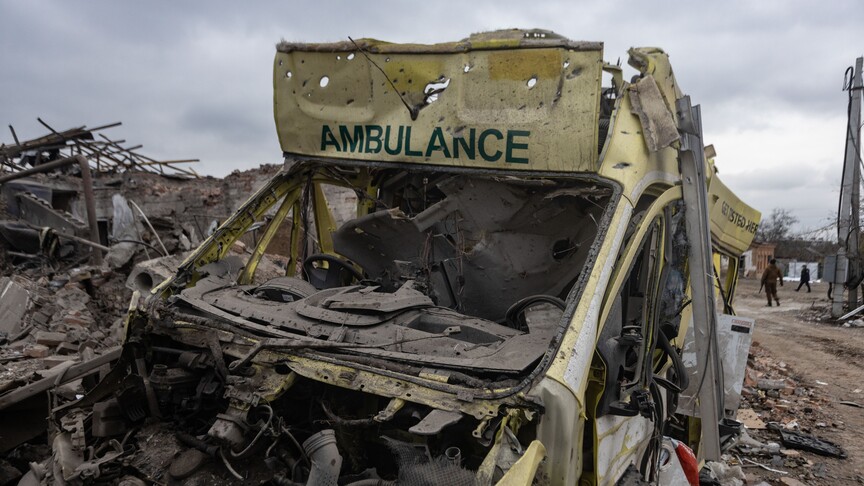
In a few days, Georgians will head to the polls for a crucial election, which opposition groups have characterized as a referendum on the country's future direction: towards Europe or back into Russia’s embrace. This sentiment is reflective of the nation's tumultuous history, particularly the five-day war in August 2008 when Russian forces invaded Georgia, leaving a lasting imprint on the collective memory of its people.The ruling party, Georgian Dream (GD), led by billionaire Bidzina Ivanishvili, strongly contests the opposition's framing. Ivanishvili, a figure whose wealth was accumulated in Russia during the 1990s, argues that GD has maintained peace and stability in the nation, while painting opponents as warriors eager to provoke further conflict. However, the opposition, including four significant parties, is adamant about ending GD's 12-year reign, accusing it of moving too close to Russian influence and neglecting Georgia's aspirations for EU membership.Local sentiments are echoed by residents like Mindia Goderdzishvili, who recalls the horrors of war. "In these streets we had Russians," he reflects, accusing GD of manipulating public emotions to remain in power. Meanwhile, Maka Bochorishvili, head of the EU integration committee for GD, expressed skepticism about the current security landscape, pointing out that without NATO membership, guarantees for national safety are precarious.The recent legislative developments, including a controversial law on "foreign influence," have also cast doubts on Georgia's EU aspirations. EU ambassador Pawel Herczynski noted with concern that instead of advancing towards Europe, "Georgia is moving away." Despite this, it is reported that around 80% of Georgians are in favor of EU membership.President Salome Zourabichvili has urged voters to support opposition parties backing her vision for a new technocratic government post-election. Meanwhile, Ivanishvili has prominently campaigned on the notion of banning the opposition United National Movement (UNM), blaming them for past grievances and alleging treason.Although polls demand a cautious approach, many speculate on the potential for an opposition victory. The ruling party’s motto may suggest peace, yet lingering conflicts of the past remain a potent electoral factor.Georgians are determinedly focused on their future; the vast majority still aspire for EU integration. However, with current tensions escalating and powerful figures in politics posing threats to opposition solidarity, the outcome remains uncertain as the nation stands at this crucial crossroads.