
In brief
Calin Georgescu's unexpected performance emphasizes rising nationalism as he challenges traditional foreign policy alliances.
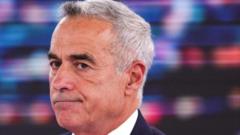
In a stunning turn of events during Romania's presidential elections, independent candidate Calin Georgescu has surged to the forefront, capturing attention both domestically and among international allies. The 62-year-old, who has a background in sustainable development and agriculture, garnered significant support without being tied to any major political party. Previously associated with the nationalist Alliance for the Union of Romanians (AUR), Georgescu's platform advocates for a sweeping transformation of Romania, rooted in small-scale organic farming, Christian values, and a call for national sovereignty.Georgescu’s political vision echoes sentiments voiced by notable figures like Robert F. Kennedy Jr. in the U.S., particularly the notion of revitalizing his nation’s health. A series of social media clips showcasing Georgescu engaging in extreme activities, like icy baths, have contributed to his viral presence and rapid rise in popularity.With experience from the Romanian Foreign Ministry and multiple roles in various NGOs, Georgescu frames his agenda around “restoring Romania’s dignity” and reducing reliance on international entities like NATO and the EU. This message resonates particularly well given Romania's strategic alliances, especially as a NATO member housing critical U.S. military bases that monitor conflicts such as the war in Ukraine.In this light, Georgescu's election could mark a pivotal shift in Romania's foreign policy stance. He has publicly criticized NATO’s defense systems in Romania, calling them a “diplomatic embarrassment” and suggesting they contribute to regional tensions, aligning with narratives often promoted by Russia. Pointing to his commitment to maintaining Romania's obligations to international partnerships, while emphasizing the need for mutual respect, Georgescu's campaign simultaneously raises questions about his attitude towards these alliances.His past comments on Vladimir Putin, praising him as a “true leader,” have earned Georgescu the reputation of being pro-Russian, although he has faced scrutiny and backlash that includes views resembling far-right ideologies. His political ambitions could see him drawing parallels with leaders like Hungary’s Viktor Orban, particularly in fostering a demand for peace in Europe regarding the Ukraine conflict.Despite controversies surrounding comments lauding historical fascist figures in Romania, Georgescu dismisses any allegations of antisemitism or xenophobia. The nominated candidate's adept use of platforms like TikTok, where his following skyrocketed from 30,000 to over 330,000 in a matter of weeks, signifies a trend towards engaging a younger electorate, playing a significant role in securing over two million votes in the initial election round. As the elections progress, the implications of Georgescu's rise on Romania's national identity and foreign relations remain to be fully revealed.


