
In brief
Despite aspirations for a diplomatic resolution, both nations navigate a complex backdrop of mutual distrust and military threats.
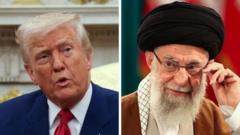
The much-anticipated fourth round of negotiations regarding Iran's nuclear program between Iran and the United States has been postponed, as confirmed by both nations and their facilitator, Oman. Citing "logistical and technical reasons," Tehran announced that the meeting set for Saturday in Rome would not proceed. However, the US clarified that the timing for this round of talks had yet to be finalized.The postponement follows heightened tensions sparked by fresh sanctions imposed by US President Donald Trump on companies linked to Iran. On Twitter, Trump issued a stern warning against nations or individuals buying Iranian oil or petrochemicals, reiterating his administration's firm stance on Tehran. Trump had previously exited a nuclear agreement involving Iran and several world powers in 2018, asserting his goal of securing a more favorable deal.Despite the setbacks, Iran's Foreign Minister, Seyed Abbas Araghchi, affirmed Tehran's ongoing commitment to reaching a negotiated resolution. He emphasized the necessity of ensuring that Iran's nuclear program remains peaceful and that its rights are respected. On the other hand, a US State Department spokesperson stated that no alternative meeting date had been confirmed but anticipated that discussions would resume shortly.While there are reports of increasing skepticism within Tehran regarding the negotiations' effectiveness, both sides seem keen to avert military conflict. Oman's foreign minister indicated that a future meeting date would be set when agreed upon by all involved parties. Nevertheless, recent sanctions targeting entities reportedly complicit in the illicit trade of Iranian oil are seen as part of Trump's "maximum pressure" campaign against Iran, raising questions about the sincerity of US engagement in the talks.Additionally, the US Defense Secretary conveyed warnings regarding Iran's support for the Houthi rebels in Yemen, a group that has aligned itself with Iran in regional conflicts. Trump's administration continues to push for measures that would limit Iran's potential pathways to developing nuclear weaponry and insists on the termination of Iranian support for proxies in the region, including the Houthis.Though Iran claims its nuclear ambitions are peaceful and seeks an agreement to moderate its enrichment activities in exchange for alleviating sanctions, the conflict remains one of the most extensive in history, deeply impacting the economic landscape of the country. As negotiations begin to stall, the political dynamics in the Middle East remain fraught with uncertainty and complexity, compelling both nations to reassess their strategies in pursuit of a resolution.

