
In brief
Vice President JD Vance's critical remarks towards Ukrainian President Volodymyr Zelensky in a recent Oval Office meeting highlight a significant shift in US foreign policy rhetoric, reflecting growing divisions on international support for Ukraine among American leadership.
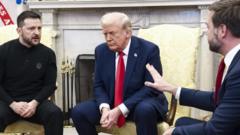
In a striking display of assertiveness, Vice President JD Vance publicly confronted President Volodymyr Zelensky during a recent meeting in the Oval Office, reconfiguring the traditional dynamic of US diplomatic engagements. While the meeting began on cordial terms, Vance seized the opportunity to challenge Zelensky's stance on the Ukraine-Russia war, questioning the effectiveness of direct talks between Washington and Moscow. “What kind of diplomacy, JD, you are speaking about?” an incredulous Zelensky countered. Vance, undeterred, jabbed back, emphasizing the need for diplomacy that could cease the ongoing destruction in Ukraine.The Vice President's outspokenness did not go unnoticed; he accused Zelensky of supporting Democrats during the upcoming 2024 presidential elections. This accusation referred to Zelensky's past interactions with top Democratic figures in the U.S., further escalating tensions. The backlash against Zelensky from Vance received a favorable response from a faction of Republican lawmakers, including South Carolina Senator Lindsey Graham, who stated he was proud of Vance's comments, even going so far as to call for Zelensky's resignation.Vance's fiery rhetoric against a visiting head of state marks a significant departure from the typically muted role of US vice presidents. Unlike previous holders of the office, such as Mike Pence, who often supported the administration's positions more diplomatically, Vance appears more willing to engage directly and aggressively with foreign leaders. His previous comments, where he expressed indifference towards Ukraine, have solidified his stance against increased US involvement and support.This new tone aligns with the Trump administration's broader foreign policy vision. Having previously characterized Vance as an integral spokesperson for his populist agenda, the president's expectations for his vice president seem to be evolving, with Vance transforming into a more active figure rather than a mere supporter. Despite Trump’s vague remarks on Vance’s future in the party, the Vice President is actively reshaping his own political narrative while testing the waters for potential future campaigns.In previous public appearances, Vance’s remarks at the Munich Security Conference and his criticisms of various European leaders have indicated a clear strategy to reframe American foreign policy discussions, particularly in regards to European commitments and issues of censorship and free speech. These discussions involved pushing back against regulations in Europe that could translate to geopolitical power plays contrary to American interests.As Vance's confrontational approach continues to spark debate domestically and internationally, questions remain about his motivations—whether these actions are on Trump's direction, or if Vance is carving out an independent path for himself in the political landscape. In this tumultuous era of US foreign policy, Vance’s evolution into an assertive contender reflects a broader shift and poses critical implications for America's diplomatic relationships moving forward.

