
In brief
As tariffs on imported goods from around 60 countries take effect, US bond yields have surged, raising borrowing costs and fueling fears of a potential recession amidst escalating trade tensions.
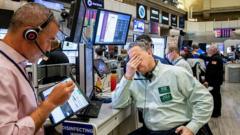
In a concerning turn of events, confidence in the US economy is waning as investors rapidly offload government bonds following the imposition of new tariffs by former President Donald Trump. The move, which imposes significant taxes on a wide range of imported goods, has sent the interest rate on US Treasury bonds soaring to its highest level since February, rising to 4.5% on Wednesday.These tariffs, which affect imports from roughly 60 countries, were enacted just as tensions were escalating in an ongoing trade war with China. In retaliation for a staggering 104% tariff imposed on Chinese products, China responded with an 84% tariff on American goods. The market's reaction has been swift, resulting in significant drops in stock prices over the past several days as investors grapple with the implications of these protective measures.The sell-off of US Treasuries, typically a sought-after "safe haven" asset during turbulent times, poses a significant challenge for the world's largest economy. The yield on government bonds, a crucial factor in determining the cost of borrowing, has climbed dramatically, indicating that financing for the US government could become increasingly expensive. Recent analysis from Deutsche Bank suggests that if the current turmoil persists, the Federal Reserve may need to take emergency action akin to the interventions seen in the UK following political upheaval in 2022. George Saravelos, the head of FX research at Deutsche Bank, mentioned the likelihood of the Fed needing to engage in emergency purchases of US Treasuries to stabilize the ailing bond market. He noted the unpredictable nature of the current situation, emphasizing that many investors appear to have "lost faith in US assets."Amid these developments, the potential for a recession is looming larger. Simon French, chief economist at Panmure Liberum, referred to the possibility as an uncertain outcome, with implications for employment and overall economic health. Investment bank JP Morgan has elevated its estimates of a possible recession in the US from 40% to 60%, suggesting that policies are increasingly "tilting away from growth."The broader effects of Trump's tariffs are likely to disrupt global supply chains and prompt US companies to shoulder additional financial burdens. As these businesses face increased costs, there are worries that some might choose to pass these expenses on to consumers, further driving inflation.Speculation surrounds the nature of bond sales, with analysts suggesting that even foreign entities, including China—holder of approximately $759 billion in US bonds—could be part of the selling wave. Saravelos cautioned that the options for escalating trade conflicts have largely been exhausted, warning that a full-blown financial war could ensue, leading to dire consequences for the global economy.As the market navigates these turbulent waters, investors and analysts alike remain vigilant for signs that will indicate the economy's direction in the coming days and months.
