In brief
Canada's political landscape is shifting as threats from US President Donald Trump have breathed new life into Prime Minister Justin Trudeau's struggling Liberal Party, complicating the upcoming election dynamics.
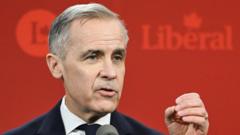
In recent months, the Conservative Party appeared poised for a decisive victory in the looming general election, but a wave of discontent over US President Donald Trump's tariffs has altered voter sentiments dramatically. Polls now show increased support for the Liberal Party, lessening the previously held commanding lead of their Conservative rivals. Prime Minister Trudeau's presence has become rejuvenated now that the focus has shifted away from domestic issues like the economy, housing, and healthcare crises, as noted by political science expert Luc Turgeon from the University of Ottawa. With many Canadians now viewing Trump as a more pressing concern than their internal issues, the Liberal Party's approval ratings have skyrocketed by 12 points since the beginning of the year, marking a stark contrast to their previous struggles. With Trudeau announcing his resignation set for early this year, the political spotlight now turns to the Liberal leadership contest, where the incoming leader will have to navigate two critical decisions: crafting a strategy in response to Trump's threats and determining the timing for a general election. Evidence suggests that how the party approaches these challenges will play a significant role in shaping their electoral prospects. Amid rising fears of an impending economic downturn due to Trump's proposed tariffs, which could lead to a staggering loss of jobs in Canada, Trudeau's words reflected the severity of the situation. His assertion that Trump's tariffs are unfounded and aimed at destabilizing Canada's economy resonate with a populace increasingly united against external threats. As polls suggest Conservative support remains strong, around 40%, the Liberals have climbed to slightly over 30%. This resurgence correlates with the emergence of front-runner Mark Carney, who is perceived as a viable leader who could adeptly manage international trade relations. His attributes are becoming increasingly attractive to voters concerned about national security and economic stability amidst volatile US-Canada relations. In light of these developments, the Conservative Party has adapted its messaging from criticizing Trudeau to positioning itself as "Canada First." However, attacks targeting Carney's credibility raise concerns among voters about his trustworthiness and loyalty, especially in comparison to the perceived patriotism of other candidates. As the political climate evolves with the imminent possibility of an election, Canadians are rallying behind their identity and resisting losses tied to American goods out of nationalistic sentiment. With heightened concerns about tariffs and economic sovereignty, the Liberals have an opportunity to reshape their strategy. While uncertainties loom, one constant remains clear: Trump's influence on Canadian politics is profound, and his actions will continue to dictate the course of electoral debates for the foreseeable future.