The vanishing world of India's street magicians
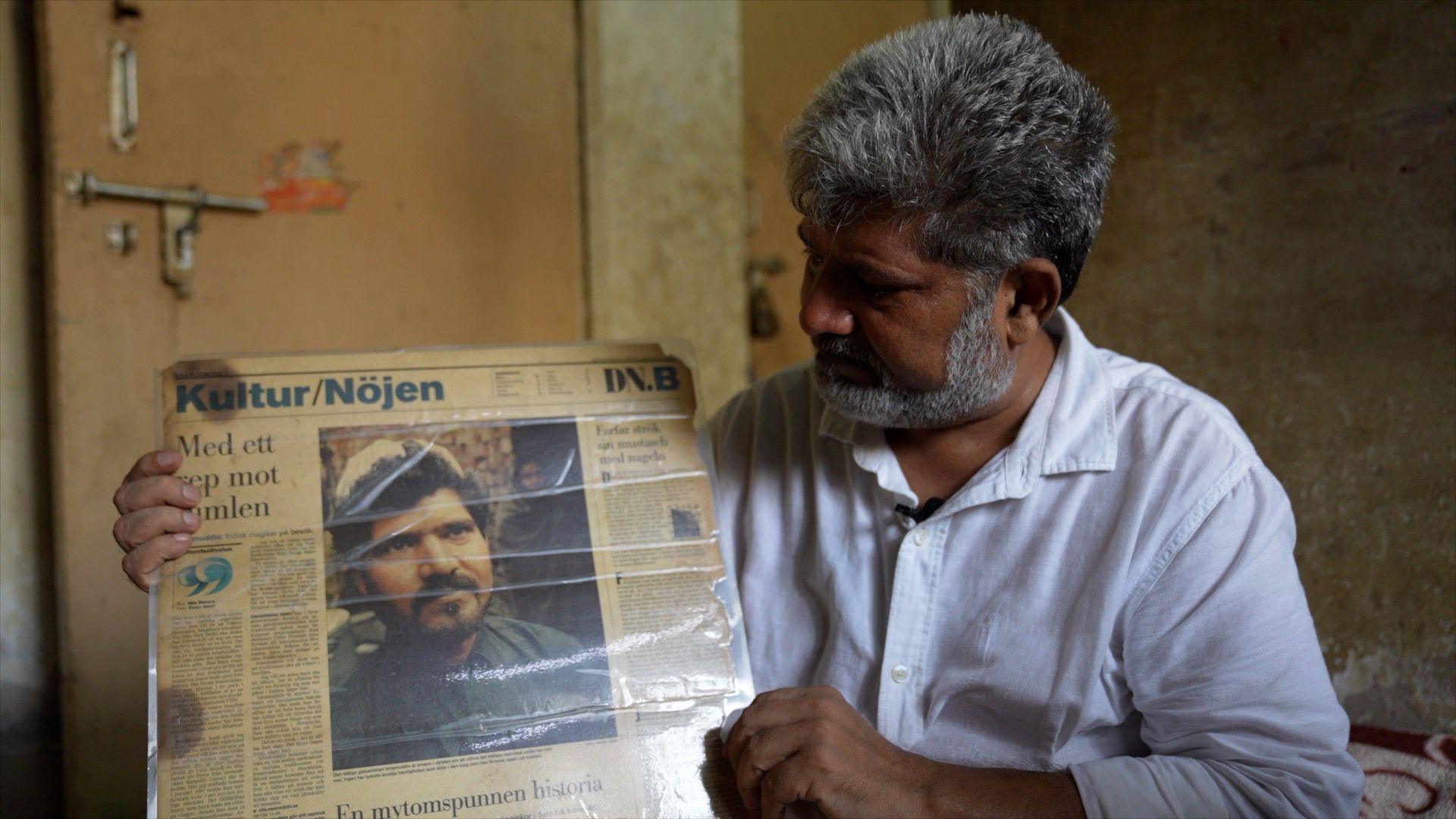
Sitting in a cramped Delhi home, 55‑year‑old magician Ishamuddin Khan can still make a rope appear to rise into the air. Though his magic once pulled crowds of tens of thousands, his performance now mostly gathers the quiet admiration of photographs and newspaper clippings that line his opposite‑sided wall. “The times have changed,” he says. “Street magic is dying a slow death. It is on a ventilator.”

Ishamuddin’s heritage comes from the Madari community, a lineage of traveling performers that is estimated at about 400 families in Delhi alone. Their villages of folklore, mythology and acrobatics are remembered in song and story, but modern India’s changing public spaces have made countless East‑Asian‑style street acts impossible to stage. In parks turned private, near‑homes, and industrial zones, performers struggle to even find a canvas to paint their art.
The story of the famous rope trick was born in 1995 at Delhi’s Qutub Minar. For six years the young Khan studied the mysterious rope ritual—slide a rope up the pole, let a boy climb, then see it defy gravity. When he finally did it in front of tens of thousands on a Karnataka beach, he shone to a global audience, and his fame sent him onto tours across Europe and Japan. He dreamed of imparting that legacy to future performers, but the “buzz” faded as audiences gravitated toward screens and as city authorities tightened park regulations.
While Khan sees the art slipping, other street performers have taken drastically different paths. 40‑year‑old Imam Khan scrapes recyclables from Delhi’s dumps for a meager 200 rupees a day; Shahim Khan, now 42, can only manage two shows a day for 200‑400 rupees, a fraction of what he once earned at four or five shows. The pandemic sealed the crisis: with lockdowns, the streets fell silent, and unchecked security restrictions limited the hustle of the night markets. Only a handful of performers returned, barging into vacant industrial pockets that offer a much smaller audience and fewer tips.
Legal constraints add another layer of hardship. Unlike the UK’s formal busking framework, India has no single federal policy, leaving each state to set vague rules over noise, obstruction and “public order.” Artists must navigate a maze of municipal bylaws and anti‑begging statutes, blurring the line between performance for pay and unsolicited “begging.” Legal expert Kaushik Mitra warns that this ambiguity undermines the livelihood of artists who depend on voluntary tips as their sole income source.
For Khan, the fear is not just financial. “A trick can survive only if someone learns it,” he says. His son, Altamash, once juggling teenage bravado, has drifted into party décor work, while the old sounds of street music echo only in his memory. The whole tradition, carried for generations through families, risks disappearing entirely if no one steps up to learn the ropes—quite literally.
The cultural heritage at stake is growing jaded, as the future of Indian street performance may be reduced to a faded corner of a museum photograph.”