
In brief
The implementation of steep tariffs on imports from Lesotho and other African nations could undermine the African Growth and Opportunity Act (Agoa) and disrupt economic ties. Stakeholders express concerns about the potential loss of jobs and market access, marking a significant shift in US-Africa trade relations.
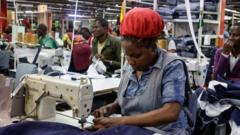
The announcement of a 50% import tariff by President Donald Trump has sent shockwaves through Lesotho's textile industry, sparking fears of significant job losses and economic instability. Teboho Kobeli, a prominent textile manufacturer in Lesotho, expressed his distress, highlighting the potentially devastating effects of this tariff on his workforce and the entire sector, which has flourished under the African Growth and Opportunity Act (Agoa). The Agoa, in place for 25 years, has been crucial in providing African countries with duty-free access to the US market for specific goods, including textiles. As Lesotho has emerged as a leader in textile exports to the US, producing for major brands like Walmart and GAP, the sudden introduction of high tariffs raises questions about the future viability of these agreements. While South Africa's government contends that these tariffs may render Agoa ineffective, other countries, like Kenya, adopt a more cautious stance, reminding that the law remains until its scheduled expiration in September 2025 unless repealed earlier. Despite the differing perspectives, the prevailing sentiment is one of uncertainty, particularly regarding the future renewal of Agoa, which is set to be revisited this year. Historically beneficial for boosting employment and trade, Agoa has helped mitigate economic challenges for various nations by facilitating better access to the US market, which was particularly vital during a time when global economic conditions were more stable. Analysts warn that without Agoa, African nations will need to adapt rapidly, reassess their trading strategies, and potentially seek new economic partnerships. The potential withdrawal of US engagement undercuts decades of progress and could open avenues for other global powers like China to solidify their influence on the continent. As the trade landscape shifts, discussions emerge around the importance of creating a consolidated African free-trade area that can support these nations moving forward. In the face of rising tariffs and a changing geopolitical climate, the question remains whether the impact of US trade decisions can be mitigated by a stronger intra-African trade framework and whether the decades-long support mechanism of Agoa can withstand this newfound pressure.

