The Growing Trend of Crowdfunding in America: Bridging Gaps in Financial Needs
NEW YORK (AP) — Quintin Sharpe, a 27-year-old wealth manager from southeast Wisconsin, embodies a spirit of community support, often engaging in charity work and helping friends and family. Last year, he faced a personal challenge when a former classmate's father suffered a life-altering accident. Realizing traditional avenues for support would be slow, he turned to crowdfunding, donating over $100 to their GoFundMe campaign, which he found to be the most efficient method to help with hospital expenses.
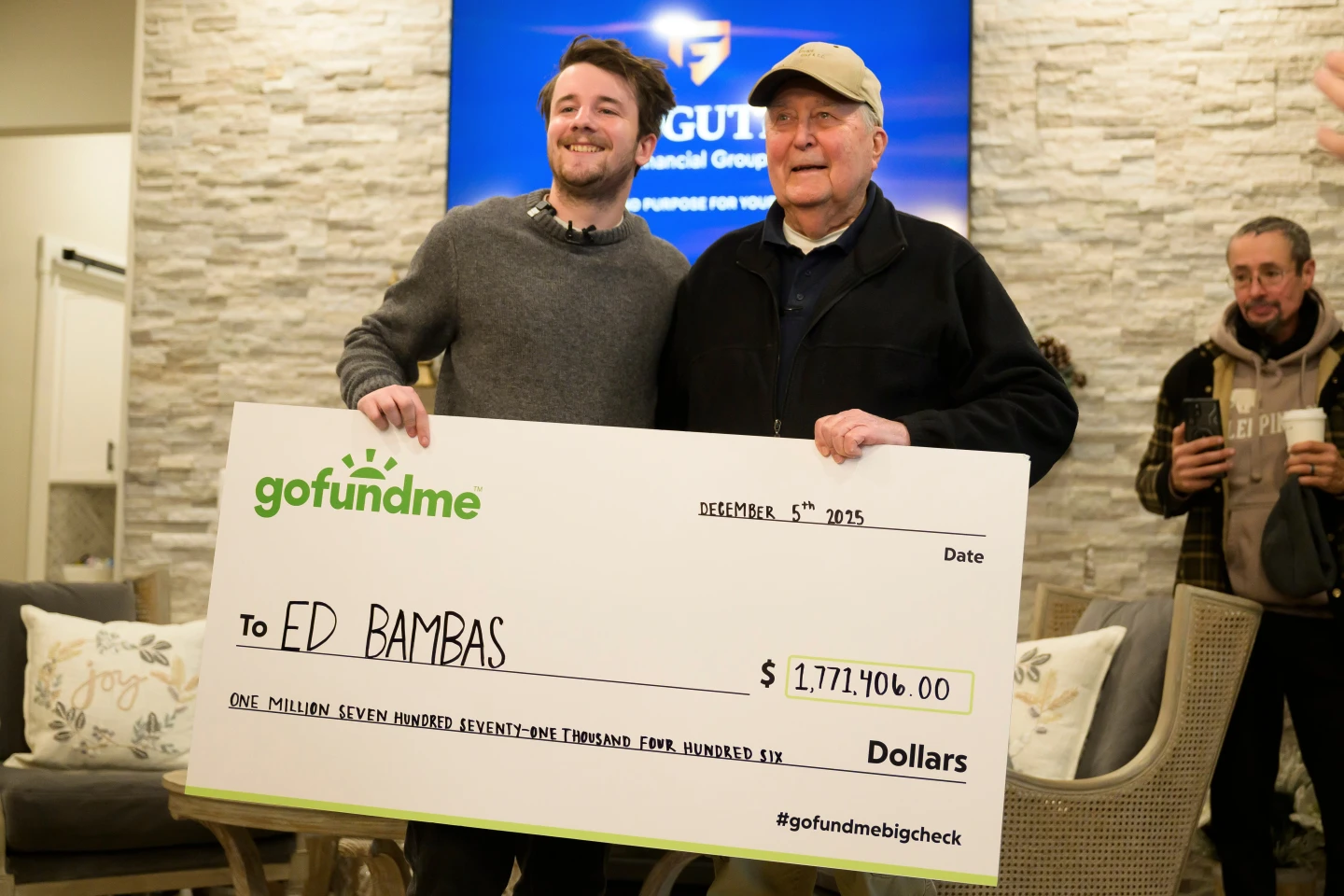
The trend reflects a broader American sentiment, as approximately 20% of U.S. adults participated in crowdfunding campaigns last year, with medical expenses being the predominant category. Crowdfunding has emerged as an accessible means for individuals to gather funds for emergencies, sports equipment, and more. Yet, while crowdfunding offers swift support, it doesn't come without skeptics. Most people expressed reservations about whether the funds raised are actually needed, or if they would be used properly, according to findings by the Associated Press-NORC Center for Public Affairs Research.
Why Are Americans Turning to Crowdfunding?
Crowdfunding platforms like GoFundMe allow individuals to solicit donations directly, circumventing traditional fundraising hurdles. The poll indicates that approximately 60% of those who donated to crowdfunding efforts gave $50 or less, marking a preference for smaller, community-centered contributions. This highlights the necessity of established personal networks and social media reach to achieve financial goals.
Healthcare costs dominate the reasons for crowdfunding, with nearly 40% of contributors focusing on medical-related campaigns. Patient advocates increasingly recommend these platforms to avoid overwhelming medical debt, reflecting a growing gap between the coverage insurance provides and actual healthcare expenses.
Concerns Surrounding Crowdfunding
Despite the benefits, many Americans question the integrity of crowdfunding processes. More than half lack confidence in the necessity of funds raised through these campaigns, and only 44% believe that the platforms charge reasonable service fees. Critics like Maria Barrett, 68, suggest that it's unfair for those in need to incur fees when seeking help. However, crowdfunding platforms assert that transaction fees are minimal and cover basic costs.
Ultimately, the success of crowdfunding campaigns heavily relies on trust—trust in the recipients to use funds as intended and trust in the platforms to facilitate transparent transactions. Many participants, including Sharpe, acknowledge that while crowdfunding is not foolproof, it remains a necessary resource in an increasingly uncertain financial landscape.
Concluding Thoughts
The expansion of crowdfunding is indicative not only of changing societal norms around giving but also underscores critical gaps within the American healthcare system and the challenges faced by families during emergencies. As reliance on these platforms grows, addressing the concerns around transparency and accountability will be essential in ensuring they serve as a viable safety net for all.