Australia's landmark social media ban for children is being challenged in the nation's highest court, with two teens alleging the law is unconstitutional as it robs them of their right to free communication.
From 10 December, social media firms - including Meta, TikTok, and YouTube - must ensure that Australians aged under 16 cannot hold accounts on their platforms.
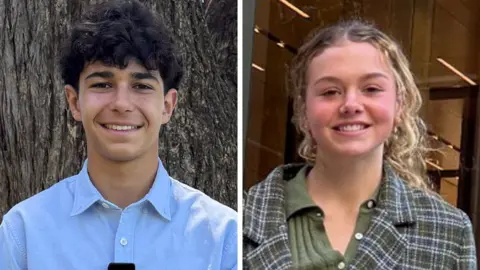
The law, which is being watched closely around the globe, was justified by campaigners and the government as necessary to protect children from harmful content and algorithms. However, 15-year-olds Noah Jones and Macy Neyland - backed by a rights group - will argue the ban completely disregards the rights of children.
We shouldn't be silenced. It's like Orwell's book 1984, and that scares me, Ms Neyland said in a statement.
After news of the case broke, Communications Minister Anika Wells told parliament the government would not be swayed. We will not be intimidated by threats. We will not be intimidated by legal challenges. We will not be intimidated by big tech. On behalf of Australian parents, we will stand firm, she stated.
The Digital Freedom Project (DFP) announced the case had been filed in the High Court on Wednesday. Teens rely on social media for information and association, and a ban could hurt the nation's most vulnerable kids - young people with disabilities, First Nations youth, rural and remote kids, and LGBTIQ+ teens - the group stated.
Led by a New South Wales parliamentarian, John Ruddick, DFP said their challenge would hinge on the ban's impact on political communication, and whether it was proportional to the law's aims.
Other measures to improve online safety should be used instead, the group argued, pointing to digital literacy programs, the forced introduction of age-appropriate features for platforms, and age assurance technologies with better privacy protections.
Mr. Jones argued the government's policy was lazy. We are the true digital natives, and we want to remain educated, robust, and savvy in our digital world... They should protect kids with safeguards, not silence.
Australian media have reported that Google, which owns YouTube, has also considered launching a constitutional challenge. Though opposed by the tech companies responsible for enforcing it, most Australian adults support the ban, according to polls. However, some mental health advocates say it may cut kids off from connection, and others caution it could push youngsters to even less-regulated corners of the internet.