At just after midnight on Saturday a Gulfstream G‑100 medical transport, Heartbeat 104, lost contact while flying from Bermuda to Boston. Flight data shows the aircraft descended from 7,300 metres to 3,300 metres before all signals disappeared.
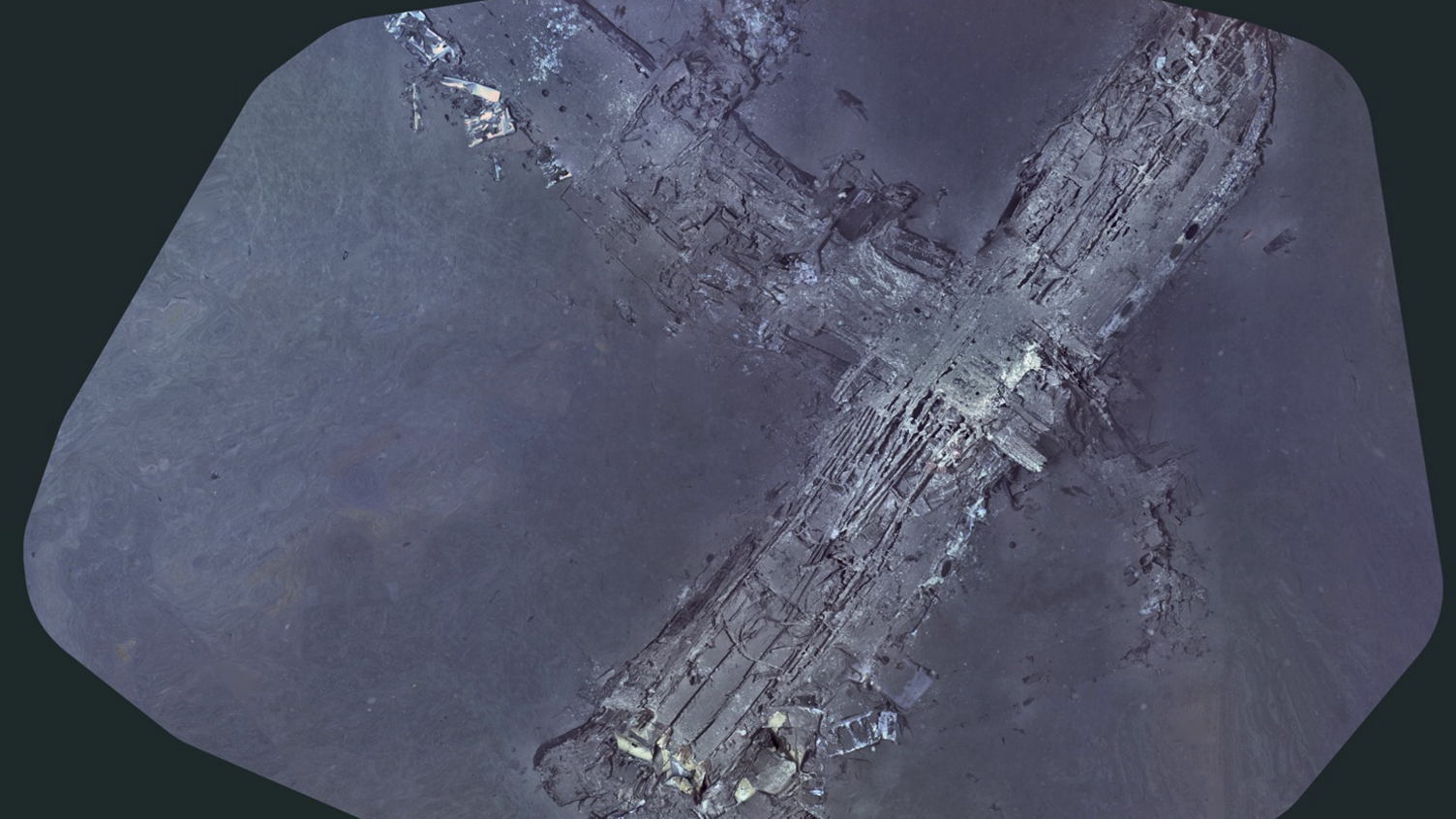
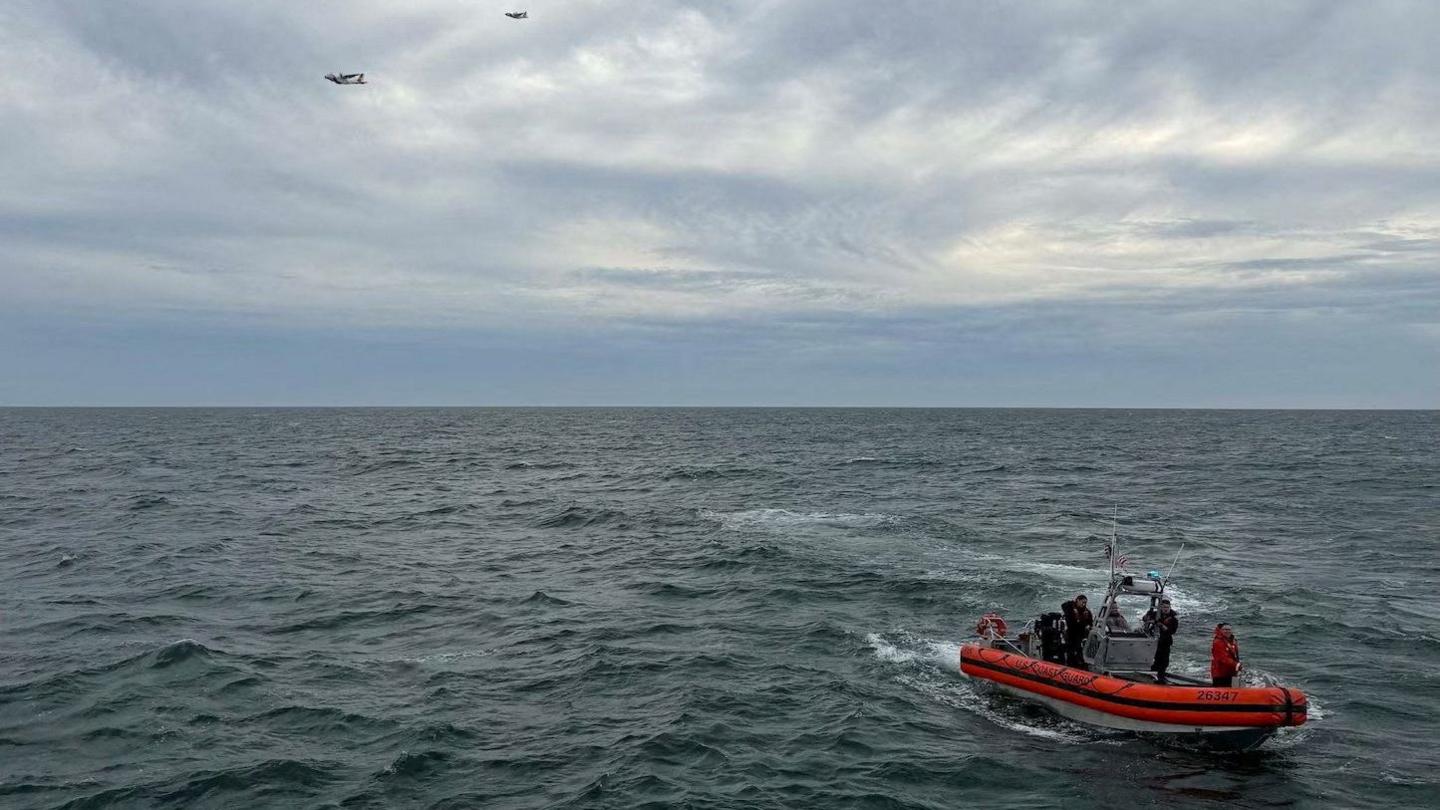
The U.S. Coast Guard concluded a search off Nantucket on Sunday following the discovery of a debris field that matched the aircraft’s structure. The vessel and rescue operations for this incident were spearheaded by crews stationed around the island.
Latitude Air Ambulance, the Canadian company that operated the flight, released a statement confirming that all six persons aboard—four Canadians and two Bermudians—are believed to have perished. The distressed medical team had been transporting a patient, along with a family member, to return home.
Testimony from FlightAware and LiveATC shows the pilots attempted to communicate with Boston approach control. The contact flag dropped to a weak signal; control centre asked whether the crew declared an emergency, and the pilot’s reply could not be decoded. Later logs indicated an emergency was declared, but the radio flaw prevented further assistance.
A Coast Guard dispatcher reported at 01:00 local time that the aircraft “had lost radio and radar.” The search involved advanced radar sweeps, aircraft position tracking, and coordinated sea‑unit operations along the southern New England coast.
Latitude Air Ambulance will continue to cooperate with all regulatory bodies as investigators piece together the sequence of events that culminated in this tragic loss. Officials are urged to maintain the integrity of the inquiry, as investigations into aviation accidents proceed with meticulous care.
The incident underscores the vulnerability of high‑altitude medical flights and the importance of solid communication protocols between pilots and ground control.