Murder and MI5: How an Extraordinary Battle Erupted Over What the State Keeps Secret
Paul Thompson was shot dead while being driven home in a taxi through Belfast in April 1994. He was murdered in a sectarian attack by loyalist paramilitaries who had set out to kill Catholics. The taxi driver was a friend who was collecting a fare at another address, which was a suspected decoy by the killers.
Responsibility for the killing was taken by a banned loyalist terror group, showing the brutal nature of violence during The Troubles. Despite an inquest initiated in 1995, no one has been held accountable, leading to lingering suspicions of collusion between state agents and the perpetrators.
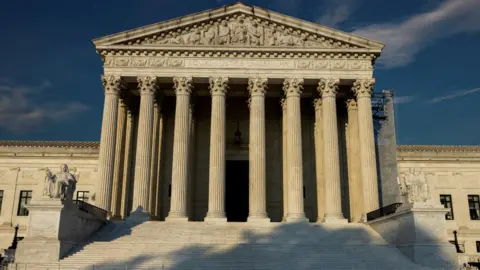
Emerging from a recent Supreme Court case, relatives of victims, including Paul Thompson's family, have vehemently challenged the government's long-standing policy of neither confirming nor denying (NCND) the existence of key information. This has sparked a broader debate over state secrecy and the ability of the British government and MI5 to withhold information about past collusion.
The Supreme Court ruled in favor of national security claims made by MI5 over the release of sensitive information, further complicating efforts by families seeking answers to violent deaths during this tumultuous period. Eugene Thompson, Paul’s brother, spent years in a fight for justice, culminating in this high-profile case which has significant implications for the state’s responsibilities and the right of families to seek truth.
The implications of this case extend beyond the specific murder at hand, as it raises fundamental questions about the trustworthiness of a government that may have been complicit in historical violence. As more families prepare to take their cases to court, the debate over what the public must know—and what the state can keep hidden—continues to evolve.