In brief
In Mecca, Saudi Crown Prince Mohammed bin Salman, Turkish President Recep Tayyip Erdoğan and Pakistan’s Prime Minister Shehbaz Sharif sealed a joint defence pact pledging mutual support against any armed attack. The accord follows recent Iranian‑backed strikes that have unsettled the Gulf, prompting the allies to strengthen deterrence. While the pact leaves specifics open, it signals a serious shift in regional security dynamics, potentially reshaping navigation of the Strait of Hormuz and the Red Sea. Analysts warn that how the alliance will be invoked remains uncertain, but the joint front raises the cost of aggression for all involved. The deal underscores Saudi Arabia’s strategic recalibration amid rising US‑Iran tensions and enhances Pakistan’s diplomatic standing.
In a landmark ceremony in Mecca, Saudi Crown Prince Mohammed bin Salman, Turkish President Recep Tayyip Erdoğan and Pakistan’s Prime Minister Shehbaz Sharif sealed a tripartite defence pact declaring that an attack on one would be considered an attack on all three states.
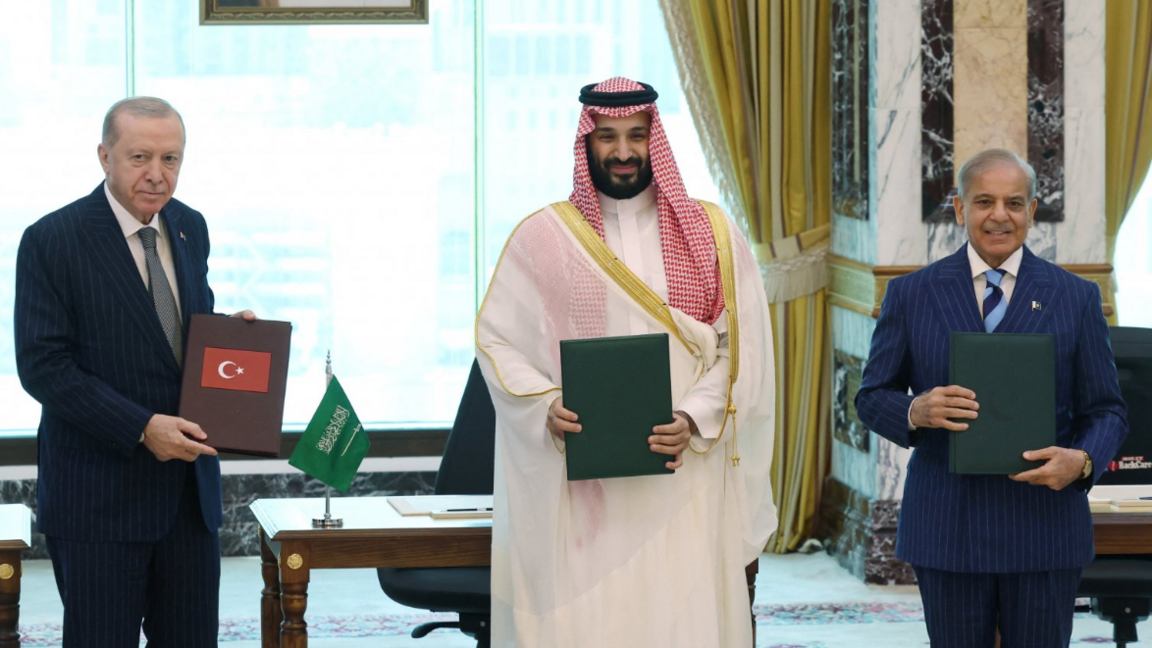
The pact was announced amid heightened tensions following the US and Israel’s 28‑February strike on Iran, which triggered Iranian‑backed forces to target Saudi Gulf outposts and disrupt shipping through the Strait of Hormuz and the Red Sea. Tehran’s parliament warned that the agreement would not secure Saudi interests, saying: “A paper agreement with Turkey and Pakistan does not bring them security.”
Saudi Arabia has already signed a joint defence treaty with Pakistan last year; this new Mecca Agreement broadens the coalition to include Turkey, signalling a significant shift in Gulf security strategy. While the charter designates each member as a mutual defender, it stops short of defining concrete operational responsibilities, leading analysts to question when and how it would be invoked.
For Saudi Arabia, the alliance offers an additional safety net amid the changing security architecture of the region. For Pakistan, it complements the country’s growing diplomatic leverage between Iran and the United States, bolstering its role in regional peace talks, particularly following the 2025 border conflict with India. Turkey cites potential gains in defence industry collaboration, joint production, technology exchange, procurement and enhanced interoperability.
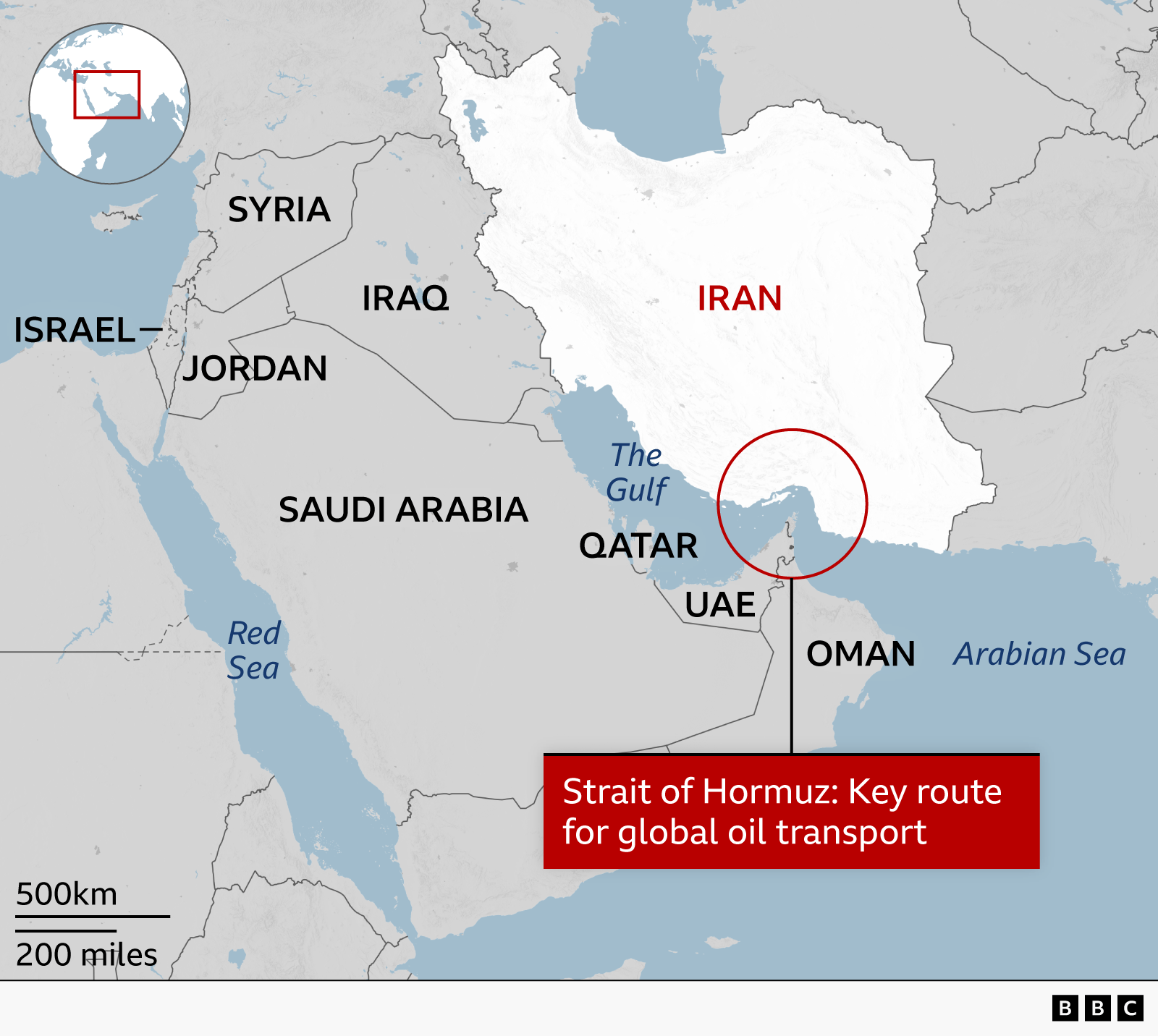
The pact’s ambiguous obligations raise questions: Would Turkey join Saudi-led strikes against Yemen’s Houthi rebels? Would Saudi Arabia open combat against India in case of renewed Pakistan‑India hostilities? These scenarios would require careful diplomacy, yet the alliance’s existence raises the perceived cost of aggression for all parties.
In short, the agreement marks a strategic recalibration, providing a deterrent framework that complicates any potential escalation, while underscoring the growing importance of multilateral defence ties in the Middle East’s volatile geopolitical landscape.