In brief
The Pre-K 4 SA initiative in San Antonio provides free preschool to qualify families, helping children develop essential skills for kindergarten. This program addresses educational disparities and demonstrates the potential of quality early education in transforming children's futures.
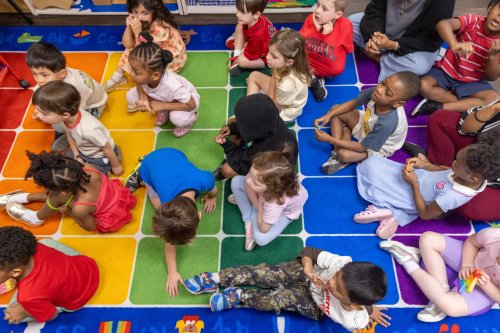
SAN ANTONIO (AP) — Sandra Mosqueda observed her 2-year-old son, Atreus, playfully sweeping the floor with a miniature mop, a testament to his newfound skills from the city's free preschool program.
Atreus is among the first cohort of children taking advantage of San Antonio’s initiative aimed at providing early education to infants and toddlers. These opportunities represent a significant shift for parents like Mosqueda who did not have similar access in their early years. The program is particularly impactful, having prepared her older sons for academic success.
The program, called Pre-K 4 SA, acknowledges the critical nature of a child’s early years for their overall development. National data shows striking disparities in readiness for kindergarten, with socioeconomic status playing a prominent role. While nearly two-thirds of children nationwide are deemed ready, the gap between low and high-income families underscores challenges faced by many.
Funded through San Antonio's sales tax, Pre-K 4 SA offers a mix of high-quality early learning, social-emotional education, and health services to low-income and working-class families, with 80% of seats available for free to those who qualify. Its expansion to include infant and toddler classrooms highlights its commitment to addressing the needs of vulnerable populations.
Success stories have emerged from the program, with students outperforming the state average in third-grade reading and math. CEO Sarah Baray emphasizes that those from the most challenging backgrounds merit the same quality education as wealthier peers.
The program's comprehensive approach includes smaller class sizes and a “whole child” methodology, enhancing children’s motor and social-emotional skills. Educators like Deziree Arce focus on both academic and life skills, creating an enriching environment where children engage in meaningful activities.
However, demand often exceeds supply. With over 1,600 families on the waiting list, the program actively connects them with alternative options to ensure that every child has a chance at quality education. Similar initiatives across the U.S. echo the need to address early education accessibility amid rising childcare costs.
Ultimately, Pre-K 4 SA exemplifies how systematic changes can pave the way for greater educational equity, underscoring the importance of nurturing early-childhood development to benefit future generations.