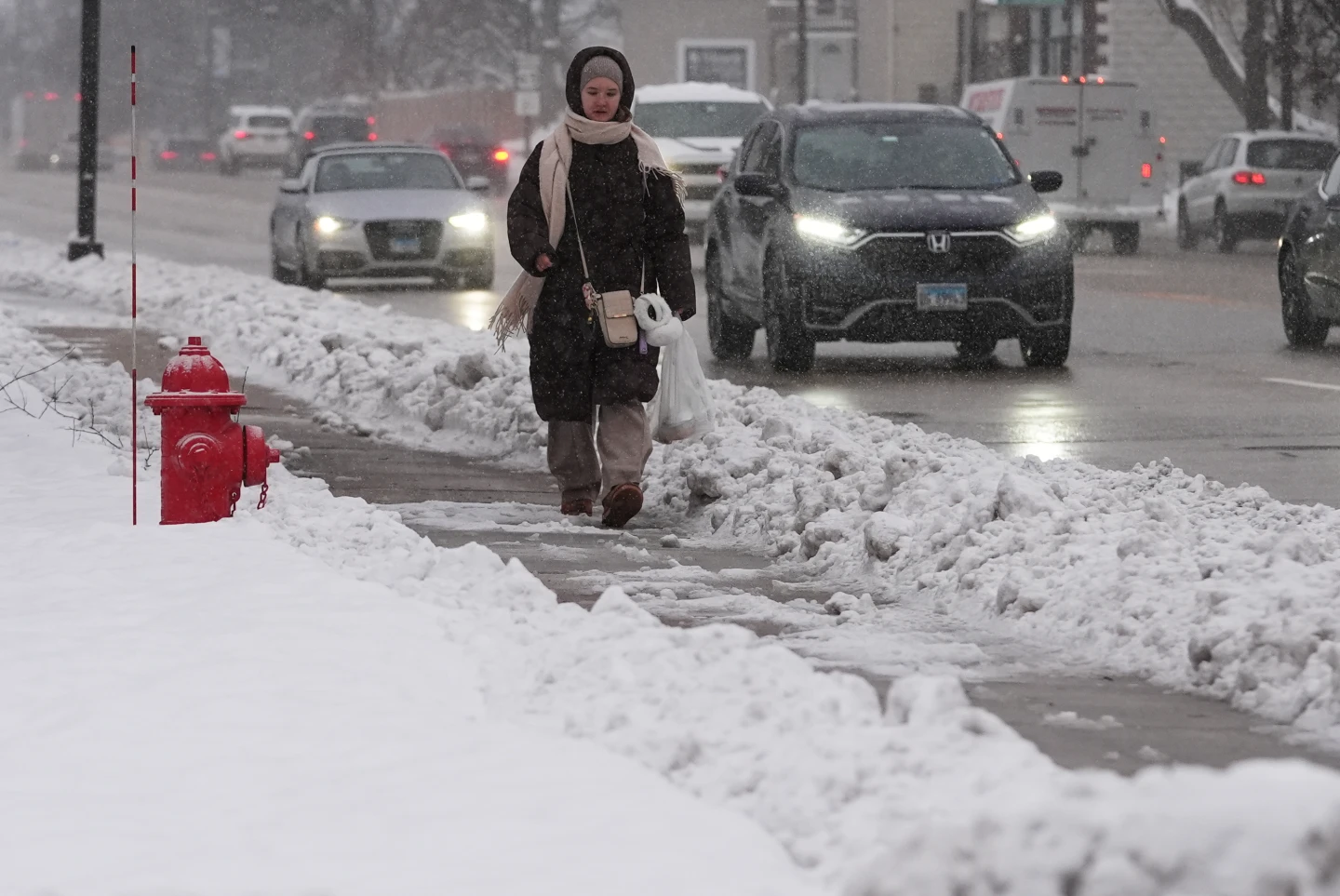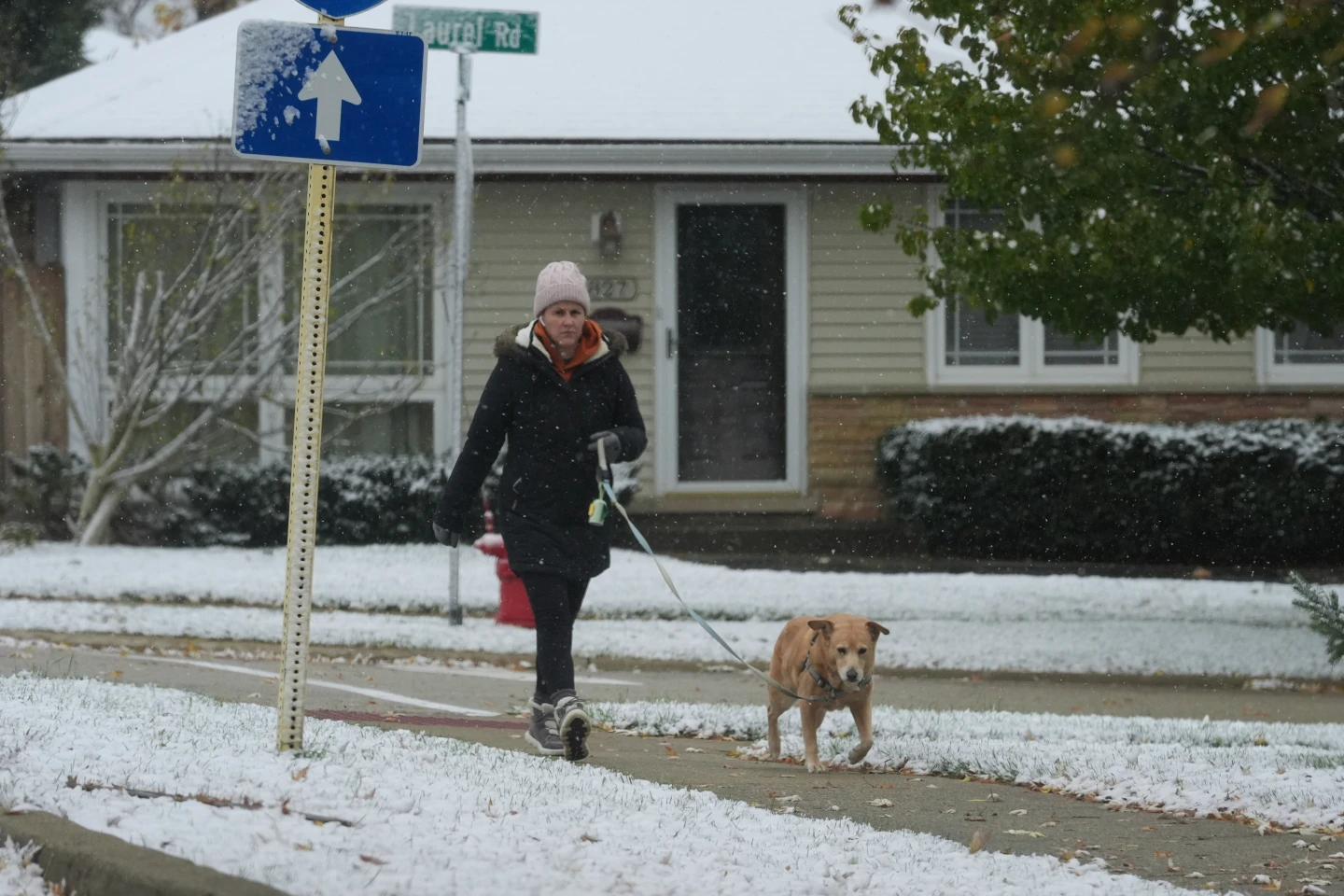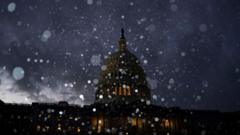
The United States is on the brink of experiencing one of the most severe winter storms in over ten years, affecting tens of millions of residents. The National Weather Service (NWS) has indicated that this massive weather system, which originated in the Midwest, will travel eastward within the next few days. Regions not typically exposed to such severe cold, including parts of Mississippi and Florida, are now under advisories for potentially dangerous weather conditions.
The extreme snow and biting cold are attributed to the polar vortex, an area of cold air that generally resides around the Arctic, but is currently pushing southward. According to the National Oceanic and Atmospheric Administration (NOAA), "For some regions, this storm could bring the heaviest snowfall we've seen in over a decade." AccuWeather's Dan DePodwin elaborated, forecasting the possibility of the coldest January in the US since 2011, with temperatures significantly lower than the historical average projected to persist for up to a week.
As the storm advances, the eastern US, including impacted cities like Washington DC, Baltimore, and Philadelphia, is expected to begin feeling the effects by Sunday evening. The NWS has warned of "considerable disruptions to daily life," emphasizing dangerous travel conditions characterized by "impassable roads" and a high likelihood of motorists becoming stranded.
Forecasts indicate that areas in Kansas and Indiana could receive upwards of 8 inches (20.3 cm) of snow, while parts of the Midwest may experience blizzards, resulting in whiteout conditions. Sleet and freezing rain are also predicted for states like Missouri, Illinois, and regions of Kentucky and West Virginia.
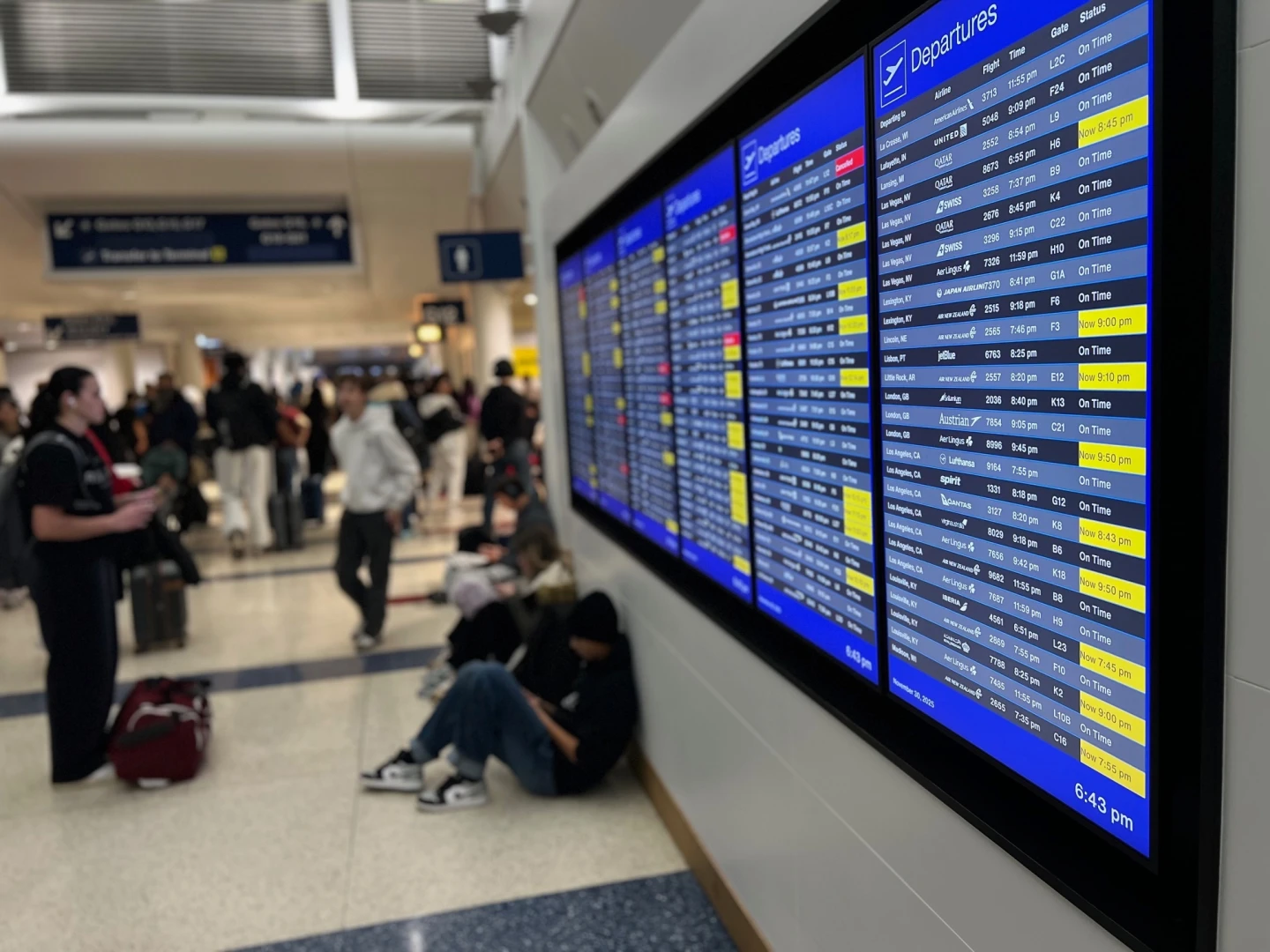
On the southern front, weather-related thunderstorms are expected in Arkansas, Louisiana, and Mississippi as the storm continues its eastward trajectory. Meteorologist Ryan Maue cautioned about the potential for widespread disruptions, stating, "It's going to be a mess, a potential disaster. This is something we haven't seen in quite a while." In anticipation of flight disruptions, major airlines such as American, Delta, and Southwest are waiving change fees to accommodate affected passengers as this unprecedented storm unfolds.
The extreme snow and biting cold are attributed to the polar vortex, an area of cold air that generally resides around the Arctic, but is currently pushing southward. According to the National Oceanic and Atmospheric Administration (NOAA), "For some regions, this storm could bring the heaviest snowfall we've seen in over a decade." AccuWeather's Dan DePodwin elaborated, forecasting the possibility of the coldest January in the US since 2011, with temperatures significantly lower than the historical average projected to persist for up to a week.
As the storm advances, the eastern US, including impacted cities like Washington DC, Baltimore, and Philadelphia, is expected to begin feeling the effects by Sunday evening. The NWS has warned of "considerable disruptions to daily life," emphasizing dangerous travel conditions characterized by "impassable roads" and a high likelihood of motorists becoming stranded.
Forecasts indicate that areas in Kansas and Indiana could receive upwards of 8 inches (20.3 cm) of snow, while parts of the Midwest may experience blizzards, resulting in whiteout conditions. Sleet and freezing rain are also predicted for states like Missouri, Illinois, and regions of Kentucky and West Virginia.
On the southern front, weather-related thunderstorms are expected in Arkansas, Louisiana, and Mississippi as the storm continues its eastward trajectory. Meteorologist Ryan Maue cautioned about the potential for widespread disruptions, stating, "It's going to be a mess, a potential disaster. This is something we haven't seen in quite a while." In anticipation of flight disruptions, major airlines such as American, Delta, and Southwest are waiving change fees to accommodate affected passengers as this unprecedented storm unfolds.