
In brief
Both countries agree to continue discussions after productive initial meeting
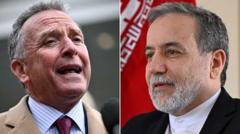
The United States and Iran have completed a significant first round of negotiations regarding Tehran's nuclear ambitions in Oman, marking the highest-level dialogue between the two nations since the US withdrew from the nuclear agreement in 2018. Describing the meeting as "constructive," both delegations have expressed optimism about a second round of talks slated for next week. The discussions signal a critical opening toward potential rapprochement, despite the backdrop of harsh rhetoric and heightened tensions in the region.The talks, which lasted two and a half hours, were notable for their respectful environment and lack of aggression. Iran’s Foreign Minister Abbas Araghchi conveyed a positive sentiment about the discussions, which were facilitated by Oman's Foreign Minister, Badr bin Hamad al-Busaidi, in a format that kept both parties largely separate. Notably, the meeting avoided the "inappropriate language" that had characterized previous exchanges, suggesting a willingness on both sides to engage in meaningful dialogue.US envoy Steve Witkoff led the American delegation, aiming to bridge the divide that developed following the US exit from the 2015 nuclear agreement. In a statement following the discussions, the White House emphasized that the communication was crucial for addressing and resolving key differences, thereby paving the way for potential progress.Iran is looking for a deal that would allow it to maintain its nuclear program while receiving relief from crippling economic sanctions. Conversely, the US administration under President Trump is pushing for a comprehensive agreement that would put tighter limitations on Iran’s nuclear activities and prevent it from acquiring nuclear weapons. A strategy reminiscent of a "Libya-style deal," favored by both Iran's domestic critics and US allies, is likely to be contentious in negotiations.Upcoming talks are expected to remain mediated by Oman, although specific locations are under consideration. The overarching theme of both US and Iranian officials is a mutual desire to avoid protracted, ineffective discussions and to work towards fruitful outcomes that address critical security concerns in the region. Despite the cautious optimism, the negotiation process occurs under significant geopolitical pressure, as the US has enhanced its military presence in the region. With Iran having stockpiled advanced levels of enriched uranium that could potentially be weapons-grade, the stakes for these talks are considerably high. The outcome of this renewed dialogue could shape not only US-Iran relations but also the stability of the broader Middle East. As both sides prepare for the next round, the international community will be closely monitoring the developments, hopeful that a diplomatic resolution can be found to avert further conflict and tensions.

