Pope Leo XIV will spend four days in the Spanish archipelago, a bellwether for the millions who flee poverty and conflict to seek a better life in Europe.
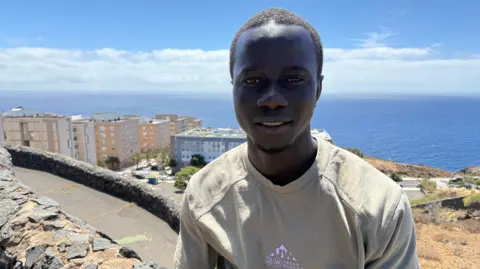
The Pope’s itinerary skims the sea‑laden coast of Gran Canaria and Tenerife, places where a thin white wave carries stories of survival and loss. Among the stories is that of Bakary Jaiju, a 19‑year‑old Gambian who steered a wooden boat with over 160 passengers across the Atlantic to Tenerife. Seven days of scarce food and water turned into a bid held up by death‑threatening desperation; he survived only by the love of a future he could buy from paradise.
Jaiju’s narrative is just one of the many that Pope Leo will cite to argue for “safe and legal pathways.” The Pontiff intends to honor those who never made it by dropping flowers into the waves and to demand a respectful welcome for all seeking refuge.
The Bishop’s plea comes at the same time Spain’s government has opened a temporary regularisation window, ushering in dozens of undocumented migrants into the legal system ahead of a deadline. Padre Pepe, a community pastor on Tenerife, has already helped dozens of young migrants learn Spanish, find jobs, and apply for residency. Yet opposition leaders, the Popular Party and Vox, decry the move as a threat to national security and a “collapse of services.”
The Pope’s rebuke of Europe’s “wall‑building” stands in sharp contrast to a nascent EU agreement to tighten borders and expedite detention and deportation of new arrivals. While the policy may deter some, human‑rights groups warn that law‑less asylum seekers could face increased risks as their pleas are dismissed at sea.
Beyond the political clash, the island’s economy suffers from a shortage of skilled workers. Veteran industrialists like Diana del Molino Rodriguez are now partnering with neighbours to hire 18‑year‑olds who have grown up under state care, thereby turning migration into an economic opportunity. Such initiatives give migrants a tangible, humane alternative to perilous boot‑leg travel.