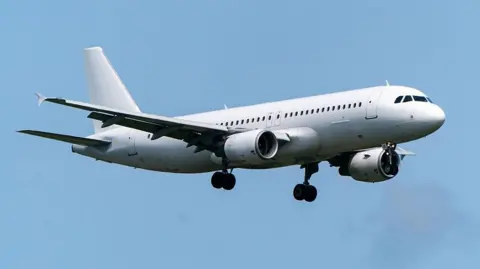
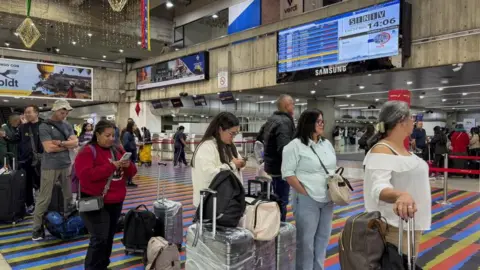
Heathrow was among several European airports hit by delays on Saturday after a cyber-attack affecting an electronic check-in and baggage system. The airport said a number of flights were delayed as a 'technical issue' impacted software provided to several airlines.
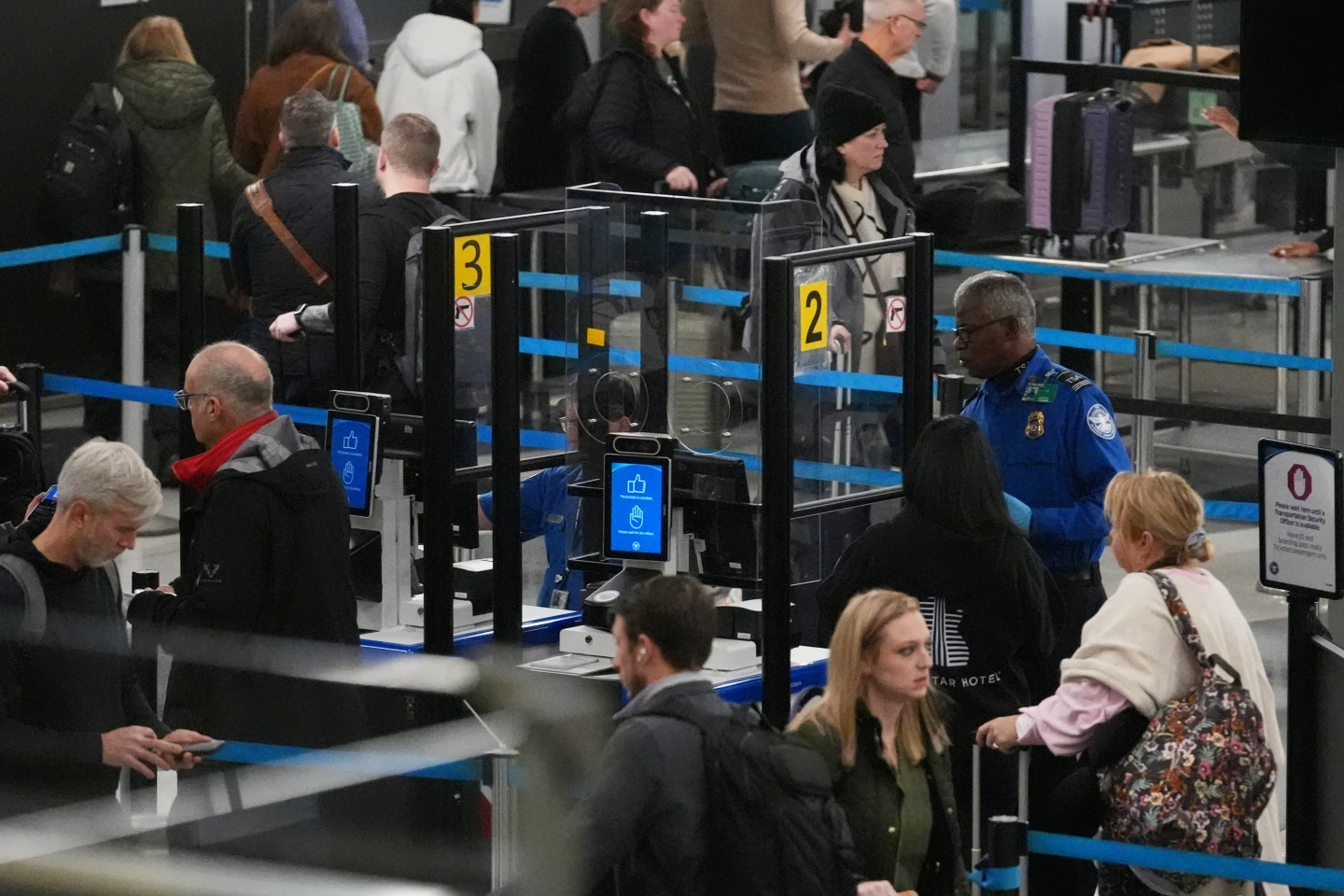
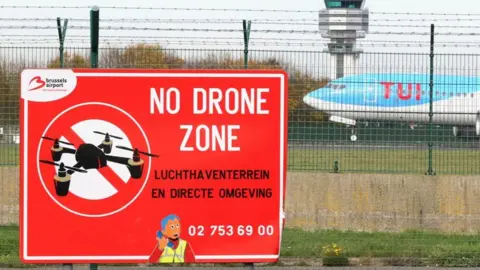
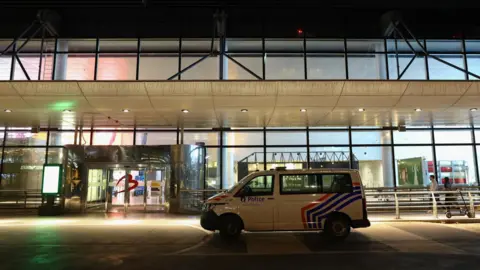
Brussels Airport said a cyber-attack on Friday night meant passengers were being checked in and boarded manually, and Berlin's Brandenburg Airport reported longer waiting times due to the problem. RTX, which owns software provider Collins Aerospace, said it was 'aware of a cyber-related disruption' to its system in 'select airports' and that it was working to resolve the issue as quickly as possible.
The company added: 'The impact is limited to electronic customer check-in and baggage drop and can be mitigated with manual check-in operations.' It stated that its Muse software, which allows different airlines to use the same check-in desks and boarding gates at an airport, had been affected. British Airways was reportedly operating as normal with a backup system, though most other airlines at Heathrow were impacted.
Shortly before midnight on Saturday, Heathrow said it was continuing to 'resolve and recover' from the outage and apologized to those facing delays while emphasizing that 'the vast majority of flights have continued to operate.'
A spokesperson from the National Cyber Security Centre said it was cooperating with Collins Aerospace, affected UK airports, the Department for Transport, and law enforcement to assess the situation. The European Commission reported it was closely monitoring the incident but noted that there was no sign of it being 'widespread or severe.'
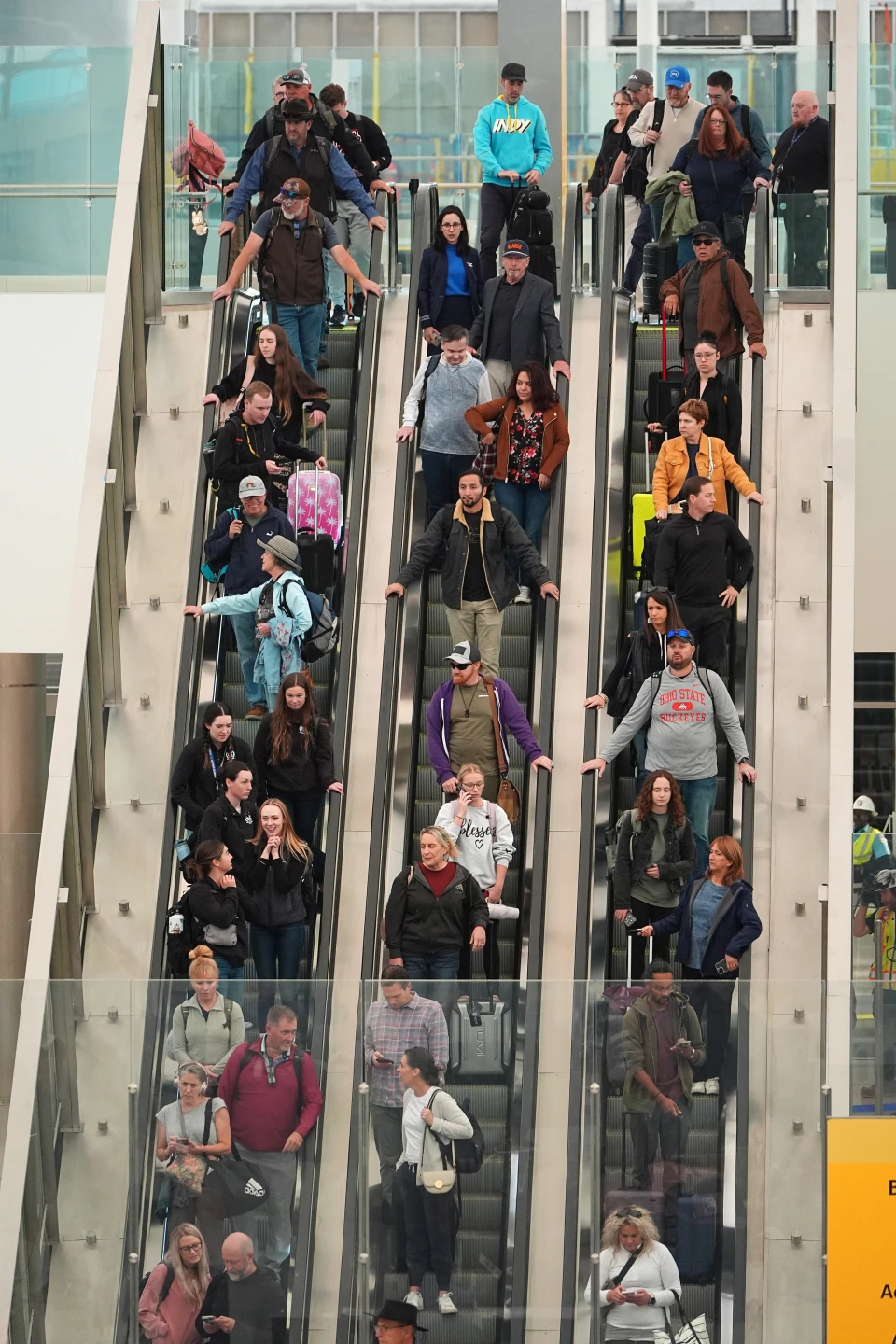
Hundreds of flights were delayed across the airports, as evidenced by flight tracker FlightAware. Passengers expressed frustration over the prolonged wait times. Lucy Spencer noted queuing for over two hours for her Malaysia Airlines flight, with staff resorting to manually tagging luggage and checking passengers in via phone. Many reported feeling exhausted and hungry after lengthy delays.
Simultaneously, Dublin Airport reported minor impacts from the cyber-attack, while EasyJet and Ryanair maintained normal operations. However, airlines were instructed to cancel half their flights to and from Brussels Airport due to the disruption. Cybersecurity analysts speculated that the incident may relate to broader vulnerabilities within the aviation sector, echoing previous disruptions caused by tech failures.
As investigations continue, speculation about the nature of the cyber-attack persists, although official statements have not identified a specific group or motive.
Brussels Airport said a cyber-attack on Friday night meant passengers were being checked in and boarded manually, and Berlin's Brandenburg Airport reported longer waiting times due to the problem. RTX, which owns software provider Collins Aerospace, said it was 'aware of a cyber-related disruption' to its system in 'select airports' and that it was working to resolve the issue as quickly as possible.
The company added: 'The impact is limited to electronic customer check-in and baggage drop and can be mitigated with manual check-in operations.' It stated that its Muse software, which allows different airlines to use the same check-in desks and boarding gates at an airport, had been affected. British Airways was reportedly operating as normal with a backup system, though most other airlines at Heathrow were impacted.
Shortly before midnight on Saturday, Heathrow said it was continuing to 'resolve and recover' from the outage and apologized to those facing delays while emphasizing that 'the vast majority of flights have continued to operate.'
A spokesperson from the National Cyber Security Centre said it was cooperating with Collins Aerospace, affected UK airports, the Department for Transport, and law enforcement to assess the situation. The European Commission reported it was closely monitoring the incident but noted that there was no sign of it being 'widespread or severe.'
Hundreds of flights were delayed across the airports, as evidenced by flight tracker FlightAware. Passengers expressed frustration over the prolonged wait times. Lucy Spencer noted queuing for over two hours for her Malaysia Airlines flight, with staff resorting to manually tagging luggage and checking passengers in via phone. Many reported feeling exhausted and hungry after lengthy delays.
Simultaneously, Dublin Airport reported minor impacts from the cyber-attack, while EasyJet and Ryanair maintained normal operations. However, airlines were instructed to cancel half their flights to and from Brussels Airport due to the disruption. Cybersecurity analysts speculated that the incident may relate to broader vulnerabilities within the aviation sector, echoing previous disruptions caused by tech failures.
As investigations continue, speculation about the nature of the cyber-attack persists, although official statements have not identified a specific group or motive.