
In brief
With an anti-incumbency sentiment lingering in southern Africa, Vice-President Netumbo Nandi-Ndaitwah stands at a crossroads in Namibia's historic election, facing major challenges from her main competitor, Panduleni Itula.
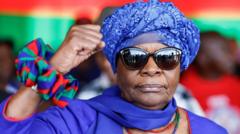
In an unprecedented turn of events, Namibia prepares to potentially elect its first-ever female leader in Vice-President Netumbo Nandi-Ndaitwah, a long-time member of the ruling Swapo party. As the nation gears up for the elections on Wednesday, optimism is tinged with apprehension due to a growing disillusionment with the liberation movements in Southern Africa. Challenges such as high unemployment, rampant corruption, and economic instability have raised concerns about a potential upset for the ruling party, which has dominated since Namibia gained independence from South Africa in 1990.At 72, Nandi-Ndaitwah has dedicated nearly six decades to her party and country, having joined Swapo at 14 to resist South African rule during the apartheid era. While her leadership experience is unmatched, her party has witnessed a substantial dip in public support, which may hinder her ambitions. If successful, she will join Tanzania’s Samia Suluhu Hassan as one of only two female heads of state in Africa.Her main opponent, Panduleni Itula of the Independent Patriots for Change (IPC), who gained prominence for his bold challenge to Swapo during the last elections, represents a new political force. His history as a dentist and outsider has resonated with young voters eager for job creation and economic reform. Itula has positioned himself as a fresh alternative, yet his rise has been accompanied by questions about his experience in governance.The political landscape is characterized by a stark generational divide. Nandi-Ndaitwah conveys a message of unity and teamwork, whereas Itula's bold, assertive demeanor appeals to a younger demographic disillusioned by the status quo. Political analysts suggest the tight race may lead to a runoff, and the victor will need to effectively tackle pressing issues such as youth unemployment and healthcare, all while maintaining public trust in governance.As voters prepare to cast their ballots, the outcome of this election could reshape Namibia's political narrative, ushering in either a continuity of its established past or a dramatic shift towards a new era led by the IPC. The stakes are high, with both candidates presenting compelling visions for the future, setting the stage for a historic election that could define Namibia's trajectory for years to come.


