

SpaceX’s launch of 5 % of its shares could be Musk’s biggest gamble yet
On 12 June, the space‑rocket pioneer is set to open its doors to the public, putting a part of its fleet on the market that has until now been the preserve of Musk and a handful of high‑net‑worth backers. The shares — worth roughly £1.5 bn to UK investors – will create a company valuation of $1.75 trillion, a number that sends tide‑like ripples across stock indexes and investor sentiment alike.
The launch itself was nothing short of spectacular. Starship, the massive launch vehicle that sits on the Texas‑side launch pad at Starbase, lifted off at 07:25 am on the 13th October 2024, sending an unmatched 10‑kiloton rocket to orbit and setting a new benchmark for reusable launch technology. The event was celebrated by Musk in the SpaceX control room, but the press conference that followed was where the real story began: a triple‑fold promise of revolution in cost‑effective space travel, AI research and eventual Mars colonisation.
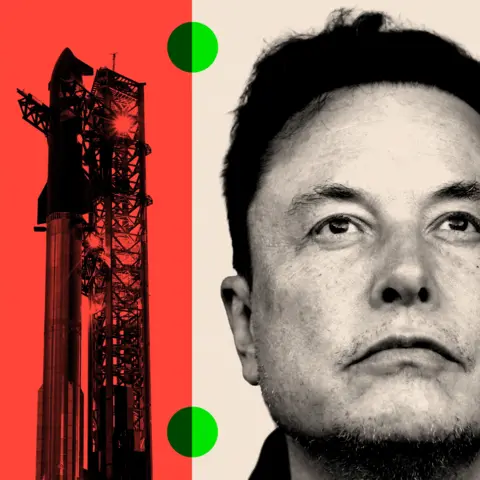
The IPO is widely perceived as a litmus test for SpaceX’s multi‑discipline business model: from launch services that rival any other country’s armament to a rapidly expanding Starlink satellite constellation that still plays a pivotal role in global communications. Yet only a fraction of this revenue streams into the verified firms that thrive under Torch‑Grade factories. SpaceX’s public share sale, therefore, highlights the larger risk that investors are putting a bet on an untested AI division that sits on top of its existing infrastructure.
Musk’s own holdings further complicate the equation. Though only 42 % of the company is controlled by Founder & CEO, a special voting arrangement gives him 85 % control, a percentage that is uncommon in the public markets. This has drawn criticism from investors who argue that what they purchase is a direct stake in Musk himself rather than a neutral space technology company.
Industry commentators point out that the price per share is not only driven by the prospects of reusable rockets but also by the AGI project underneath it. The space‑operated data centres that the company is planning could become a backbone for cloud computing, a market that is estimated at $26.5 trillion in untapped size.
Comparisons with dot‑com bubbles are inevitable. The IPO is the largest share offering of its type in history, yet the company is selling only 5 % of its equity. Even so, questions loom about whether the subsequent influx of shares from AI rivals such as Anthropic and OpenAI could inflate the market enough to trigger a supply chain glut, potentially opposing the speculation-driven rally that has dominated the last decade.
Ultimately, the Route to Mars may intersect with route to trillion‑dollar status, but whether the public will see a real, democratic stake in this vision or simply a branded investment remains a key open question. The IPO will be watched closely, as it redefines the boundary between soaring ambitions and the market mechanisms that will decide whether Musk’s dream becomes an economic reality or a speculative mirage.

