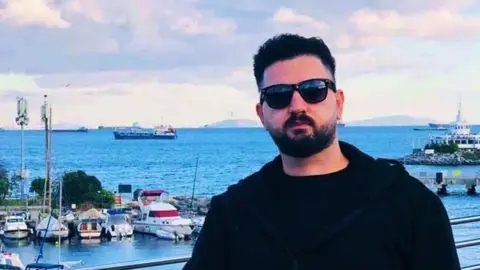
Married at First Sight Australia has come under intense scrutiny after the BBC revealed that contestants were not informed about their partners’ criminal pasts. In practice, several male participants had prior convictions for violence or drug use, yet the women who married them remained unaware of this history.
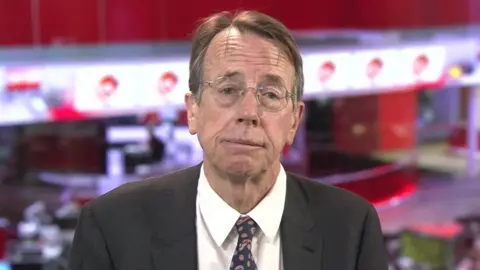
The findings were described by the Australian Communications and Media Authority (ACMA) as “serious and disturbing” and led the UK regulator Ofcom to label the allegations as “deeply concerning.” Both regulators are urging the broadcaster and production company to tighten checks and to ensure that viewers are not misled about the safety of the participants.
Channel 9 and Endemol Shine Australia have said they have a “structured, multi‑stage checking process” that includes police, medical and psychological reviews, and statutory declarations. Nonetheless, nine former contestants have called for stronger background checks and a ban on the inclusion of anyone with a past conviction.
The UK version of the show, aired on Channel 4, has already pulled the series from its on‑demand service All 4 after a separate scandal involving rape allegations made by former contestants. The broadcaster has commissioned an external review of contributor welfare to be completed later this summer.
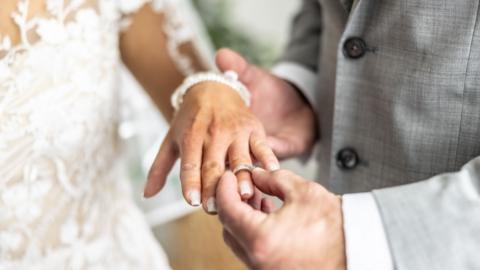
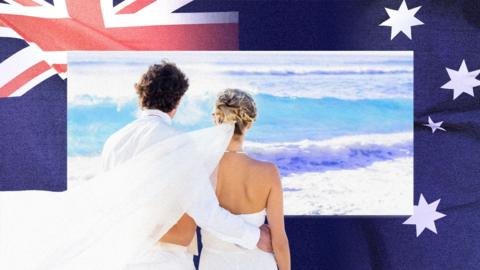
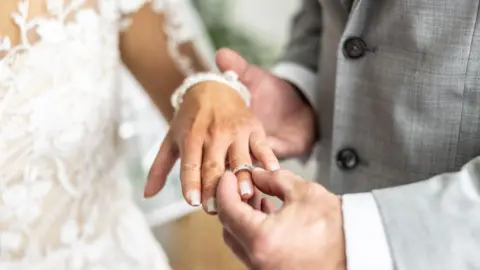
Both the Australian and UK formats feature strangers agreeing to marry after a brief courtship, with the “marriage” never legally binding. Viewers witness the couples’ honeymoon-like day, the moving‑in process, and the ups and downs of a high‑pressure relationship—all captured on film.
The debate resurfaces the ethical responsibilities of reality‑TV producers when displaying human relationships for entertainment. Critics argue that failing to disclose serious criminal histories puts participants at risk, while production teams claim rigorous standards prevent such oversights.
If you have more information on this story, email Noor Nanji at noor.nanji@bbc.co.uk.