
In brief
In a provocative move, Elon Musk hosted Alice Weidel of the far-right AfD for a live discussion, promoting the party ahead of Germany's upcoming elections while dismissing claims of extremism.
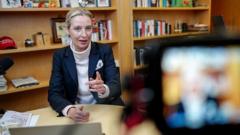
Elon Musk, the world's richest man and Tesla CEO, stirred controversy Thursday by conducting a live interview with Alice Weidel, the co-leader of Germany's far-right Alternative für Deutschland (AfD). The 74-minute conversation, broadcast via Musk's platform X, touched on diverse topics including energy policy, German bureaucracy, and historical references, particularly Adolf Hitler.Musk made headlines by openly supporting the AfD, urging German citizens to cast their votes for the party in the upcoming elections. This marks Musk's latest contentious engagement in European politics, raising eyebrows over accusations of foreign interference in Germany's political landscape.As the discussion unfolded, Musk's connection to Donald Trump was echoed through Weidel's expressions of support for the former U.S. president. Weidel characterized her party as "conservative" and "libertarian," countering mainstream portrayals of the AfD as a far-right extremist group. Despite these claims, various sections of the party have attracted scrutiny, with investigations revealing links to right-wing extremist networks.One of the standout moments occurred when Weidel posited that Hitler was a "communist" rather than a conservative figure, prompting Musk's exploration of the broader question of God’s existence. The duo also shared laughs over topics like Germany’s bureaucratic challenges, criticism of nuclear energy abandonment, and ongoing debates around free speech and what they termed “wokeness.”The AfD, which stands firmly against military support for Ukraine, is currently polling second in Germany, ahead of a snap federal election slated for February 23. Despite emerging as a powerful voice in German politics, the party faces obstacles in gaining coalition support due to its controversial reputation.Musk's vocal support for Weidel as a potential "leading candidate" for Germany has raised alarms among political figures, who express concern over the implications of his influence and the potential for spreading misinformation. The ongoing media scrutiny of Musk's actions underscores the growing intersection of tech, politics, and international affairs.

