In brief
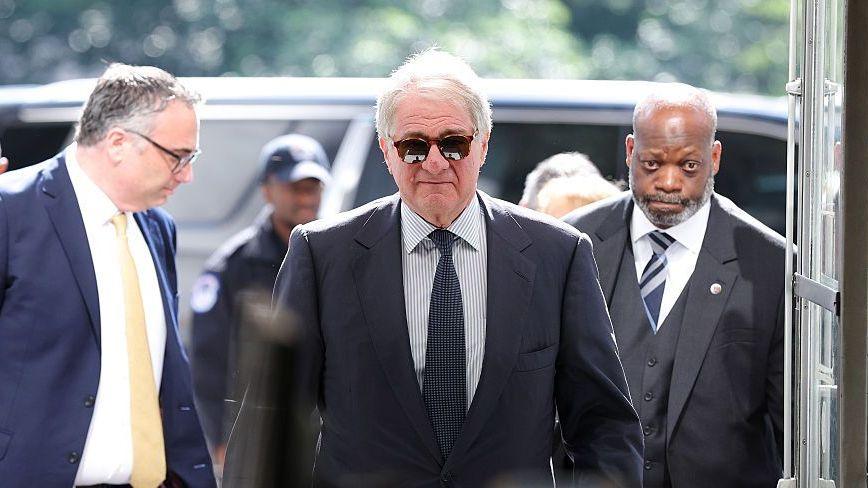
Billionaire investor Leon Black has refused to testify before a U.S. congressional committee investigating the late sex offender Jeffrey Epstein, instead filing a lawsuit that challenges the validity of the subpoenas issued by the House Oversight Committee. The suit asserts that the committee’s demand for Black to disclose nondisclosure agreements (NDAs) and provide an on‑camera deposition violates legal bounds and threatens the privacy of women linked to Epstein. Black, who admitted to paying Epstein a substantial fee for financial advisory services, asserts that he was unaware of Epstein’s crimes until the financier was charged in 2019. The legal dispute has attracted congressional ire, with committee members calling for Black’s contempt and potential federal prosecution. Meanwhile, Black’s attorney claims the subpoenas exploit legislative power to destroy him and expose secret agreements that could harm private individuals. The case is a high‑stakes battle over transparency, personal privacy, and congressional authority in the aftermath of Epstein’s legacy. This development underscores the ongoing enigma of Epstein’s network and the willingness of powerful figures to litigate against congressional oversight when confronted with privacy concerns and legal complexity.
Billionaire investor Leon Black failed to appear before a U.S. congressional committee probing the late sex offender Jeffrey Epstein. He instead filed a lawsuit that challenges the subpoenas issued by the House Oversight Committee.
The legal brief dismisses the committee’s demands as "invalid" and claims they have no legitimate link to its legislative purpose. Black contends that revealing his nondisclosure agreements (NDAs) would expose women who never had any public ties to Epstein and who had agreed to keep details confidential. The lawsuit also argues that the subpoenas represent an abuse of congressional power to destroy him.
Black’s dismissal of the subpoenas follows his decision to leave the committee in June after being asked to discuss the NDAs he had signed. He has denied any wrongdoing in his dealings with Epstein, noting that he paid $158 million for legitimate financial advice over their long association.
In his statements, Black’s attorney, Susan Estrich, stated, "This is no longer about finding the truth about Epstein. It is about trying to destroy Mr. Black." He cited potential contempt proceedings and a referral to the Justice Department for prosecution.
The committee’s chairman, Jomes Comer, affirmed that Black’s testimony is crucial to their investigation, while House committee member Robert Garcia demanded that Black’s decision to abstain be met with contempt.
Black’s positions in the Epstein files include financial payments and advice sessions, with no implication of criminal activity. However, his past sexual relationship with a former Russian model and subsequent NDA disputes add another layer of complexity.
The lawsuit is slated to be heard in federal court in Washington, marking another chapter in the increasingly fraught ties between high‑profile financiers and the fallout from the Epstein case.