In brief
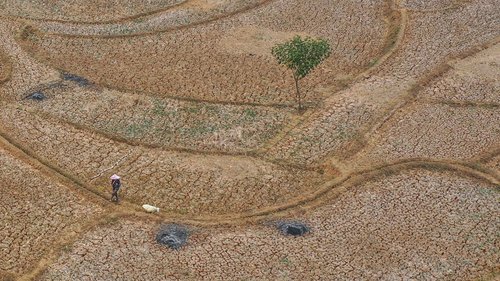
A severe sandstorm has blanketed central and southern Iraq, significantly reducing visibility and sending thousands to hospitals with respiratory issues. The storm, coined the worst of the year, affected air travel and emptied streets in major cities like Basra. Meteorological officials reported that the dust storm originated from eastern Saudi Arabia and gathered intensity as it moved across arid regions of Iraq. Despite historical occurrences of sandstorms, experts are warning that climate change is escalating their frequency and severity amid a backdrop of persistent drought and desertification.
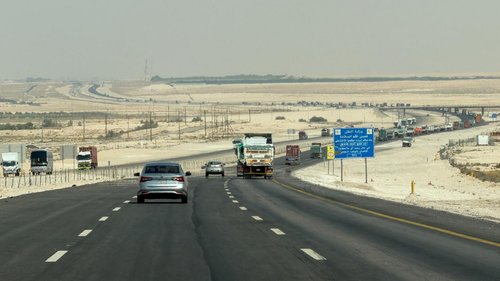
The storm caused disruption from travel cancellations at two airports and desolate highways in Basra, where strong winds combined with dust made travel hazardous. The health ministry reported nearly 3,750 emergency cases associated with respiratory distress, particularly impacting vulnerable populations in Basra and Najaf. With the storm's aftermath leaving dust infiltrating homes and cars, many residents resorted to wearing masks and staying indoors. The situation has prompted public health advisories and calls for families to reassure young children amid the chaos. As Iraq grapples with escalating climate challenges, this event highlights the urgent need for adaptive strategies to protect public health and infrastructure.