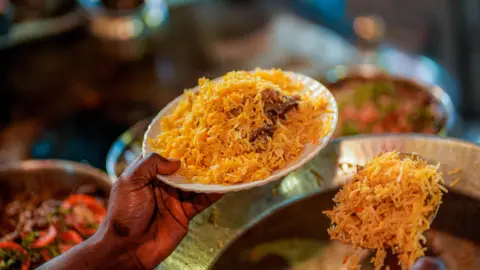
In a monumental step for culinary heritage, the beloved Ivorian dish attiéké has been officially recognized by UNESCO as part of its intangible cultural heritage. This staple food, made from fermented cassava flour, has deep roots in the culture of Ivory Coast and is cherished by its people, often enjoyed across all meals of the day. Commonly referred to as "Ivorian couscous," attiéké is typically served with grilled fish and has spread in popularity throughout West Africa since its origins along the Ivory Coast’s coastline centuries ago.
During the 19th session dedicated to safeguarding intangible cultural heritage in Paraguay, Ivory Coast's UNESCO representative, Ramata Ly-Bakayoko, highlighted the profound connection attiéké has with local communities saying it is "deeply rooted in the daily lives of its communities." The recognition of attiéké reflects not just a culinary achievement but also its importance during significant life events such as weddings, baptisms, and community gatherings.
Moreover, attiéké is interconnected with the economic empowerment of women, who traditionally partake in its production. The labor-intensive process of making attiéké is often a multi-day affair, involving several intricate steps including peeling, grating, fermenting, and steaming the cassava root. The skills required for its preparation have also been acknowledged by UNESCO, ensuring the tradition is passed from one generation to the next.
Once made, attiéké is sold in local markets, typically packaged in plastic bags for easy distribution. Cultural significance doesn’t end with the food itself; it extends to the relationships it fosters and serves as a vital link between generations, embodying the identity of Ivorian society as articulated by Ms. Ly-Bakayoko.
The inclusion of attiéké in UNESCO’s heritage list is particularly important in an age where traditional practices face threats. Recognizing its cultural value underscores the need for preservation efforts. The dish has not been without its controversies; in 2019, the award to a foreign chef for a dish of attiéké at an agricultural show ignited anger among Ivorians, emphasizing the national pride associated with this staple.
To further protect the identity of attiéké, the African Regional Intellectual Property Organization has recently established a collective trademark to safeguard its name, analogous to regulations surrounding the production of champagne in France. The move highlights the ongoing struggle to maintain cultural authenticity amidst globalization.
In essence, attiéké is far more than just a meal; it is a symbol of collective identity, economic opportunity, and cultural heritage for the people of Ivory Coast.
During the 19th session dedicated to safeguarding intangible cultural heritage in Paraguay, Ivory Coast's UNESCO representative, Ramata Ly-Bakayoko, highlighted the profound connection attiéké has with local communities saying it is "deeply rooted in the daily lives of its communities." The recognition of attiéké reflects not just a culinary achievement but also its importance during significant life events such as weddings, baptisms, and community gatherings.
Moreover, attiéké is interconnected with the economic empowerment of women, who traditionally partake in its production. The labor-intensive process of making attiéké is often a multi-day affair, involving several intricate steps including peeling, grating, fermenting, and steaming the cassava root. The skills required for its preparation have also been acknowledged by UNESCO, ensuring the tradition is passed from one generation to the next.
Once made, attiéké is sold in local markets, typically packaged in plastic bags for easy distribution. Cultural significance doesn’t end with the food itself; it extends to the relationships it fosters and serves as a vital link between generations, embodying the identity of Ivorian society as articulated by Ms. Ly-Bakayoko.
The inclusion of attiéké in UNESCO’s heritage list is particularly important in an age where traditional practices face threats. Recognizing its cultural value underscores the need for preservation efforts. The dish has not been without its controversies; in 2019, the award to a foreign chef for a dish of attiéké at an agricultural show ignited anger among Ivorians, emphasizing the national pride associated with this staple.
To further protect the identity of attiéké, the African Regional Intellectual Property Organization has recently established a collective trademark to safeguard its name, analogous to regulations surrounding the production of champagne in France. The move highlights the ongoing struggle to maintain cultural authenticity amidst globalization.
In essence, attiéké is far more than just a meal; it is a symbol of collective identity, economic opportunity, and cultural heritage for the people of Ivory Coast.