
In brief
In a strategic visit to Vietnam, President Xi Jinping has urged Southeast Asian nations to reject unilateral trade bullying, highlighting the ongoing trade tensions between the U.S. and China.
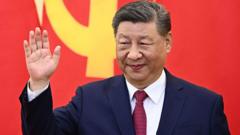
China's President Xi Jinping started a politically significant Southeast Asia tour in Vietnam, advocating for regional solidarity against "unilateral bullying," a veiled criticism of U.S. trade policies. During a meeting with Vietnam's Communist Party Secretary-General To Lam, Xi promoted the need for a unified front to uphold global free trade, although he notably refrained from explicitly naming the United States. Amid an escalating trade war, where U.S. tariffs on Chinese goods are soaring, the engagement is seen as part of Xi's broader "charm offensive" that will also take him to Malaysia and Cambodia. A recent announcement from the Trump administration had temporarily paused tariffs on Vietnamese goods, highlighting the delicate balance Vietnam must maintain between its economic relationship with the U.S. and its ties with China.U.S. President Donald Trump criticized the meeting between Xi and Vietnamese leaders, suggesting it was a tactic to undermine America. Despite staunch criticisms from the White House, analysts view Xi's rhetoric as a calculated maneuver aimed at positioning China as a defender of fair trade policies while portraying the U.S. as an erratic player in global markets.The frictions between the two economic superpowers continue to intensify, with the U.S. imposing a staggering 145% tariff on a wide range of Chinese imports. China retaliated with its own tariffs, further deepening market uncertainties. In the latest updates, some tech products were announced to be temporarily excluded from these tariffs, but Trump dismissed this information, branding it misleading.As Xi journeyed through Vietnam, welcomed by local supporters, he paid tribute to Ho Chi Minh, signaling respect for shared communist values while navigating the complex geopolitical landscape. Observers note that Vietnam is keen to avoid appearing overly aligned with China, balancing its significant relationship with the United States against its emerging partnership with its northern neighbor.Following his pivotal stop in Vietnam, Xi is set to travel to Malaysia for further discussions, where cooperation with Chinese technology firms is expected to be a relevant topic. During this visit, external analysts expect continued efforts from Xi to contrast China's reliability against perceived U.S. protectionism, framing the narrative in favor of Chinese engagements in the region.As the trade tensions evolve, the implications of Xi’s tour and calls for opposition to unilateralism resonate deeply in a world defined by fiercely competitive international trade relations and strategic alliances.
