In brief
Firefighting aircraft are increasingly deploying pink fire retardant to combat wildfires, but the harmful heavy metals and chemicals it contains pose significant risks to both health and ecosystems.
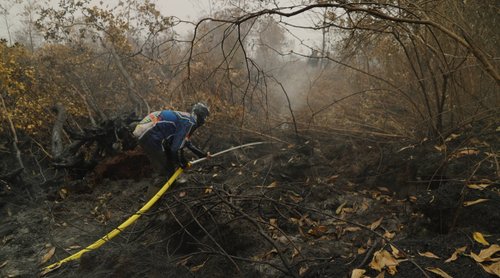
The use of bright pink fire retardant by firefighting aircraft has become a common sight in the struggle against raging wildfires, especially in California. These planes can disperse vast amounts of the chemical in mere seconds, which has led to their widespread reliance in combating devastating flames. However, recent studies highlight a concerning trade-off: the very substances effective in slowing fires may also carry a hidden toxic load due to their composition of heavy metals and other dangerous compounds. The dilemma intensifies as the frequency and intensity of wildfires rise, attributed largely to climate change. Firefighters are turning more to these retardants to tackle increasingly voracious blazes, resulting in the potential release of more hazardous substances into the environment. Some environmental advocates call for a reevaluation of these chemicals, arguing that their effectiveness remains difficult to quantify amid various firefighting strategies deployed during large-scale fires.In recent years, particularly across the western United States, a surge in wildfire incidents has been recorded. Research indicates that wildfires are not only becoming more prevalent but also moving with greater speed, raising alarms about public safety. Additionally, prolonged exposure to smoke from wildfires has been associated with various health risks, capable of affecting both the lungs and heart. A global assessment of wildfire smoke has revealed that in the U.S., exposure has surged by 77% since 2002, with an alarming estimate of up to 675,000 premature deaths annually worldwide attributed to such pollution.As the battle against wildfires continues, the long-term implications of utilizing chemical fire retardants must be meticulously examined to safeguard both human health and the environment. The challenge lies in finding effective means to manage wildfires without imposing additional threats to communities and ecosystems.