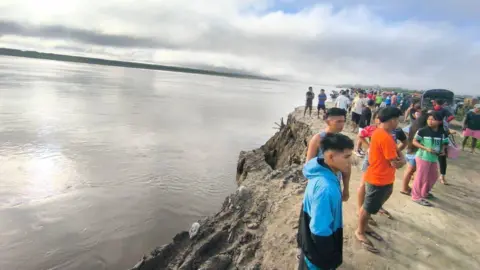
POINTE-AU-CHIEN, La. — Cherie Matherne looks over Bayou Pointe au Chien, a body of water once calm now marred by erosion and environmental change. This bayou was historically shallower, and elder members of the Pointe-au-Chien Indian Tribe recount vibrant, lush canopies that have long disappeared.
The Indigenous residents are taking steps to mitigate the impacts of coastal erosion which have been escalating for decades, due to factors including levee systems cutting off sediment supplies, saltwater intrusion killing vital vegetation, and climate change intensifying storm damages. Matherne, who directs tribe operations, emphasizes the community's commitment to maintain their presence in the area: “We want to make it so that people can stay here for as long as possible.”
Once a thriving land for ranching and fishing, the region now grapples with loss, having witnessed a significant percentage of its territory disappear, likened by some experts to the tragedy of Gentrification.
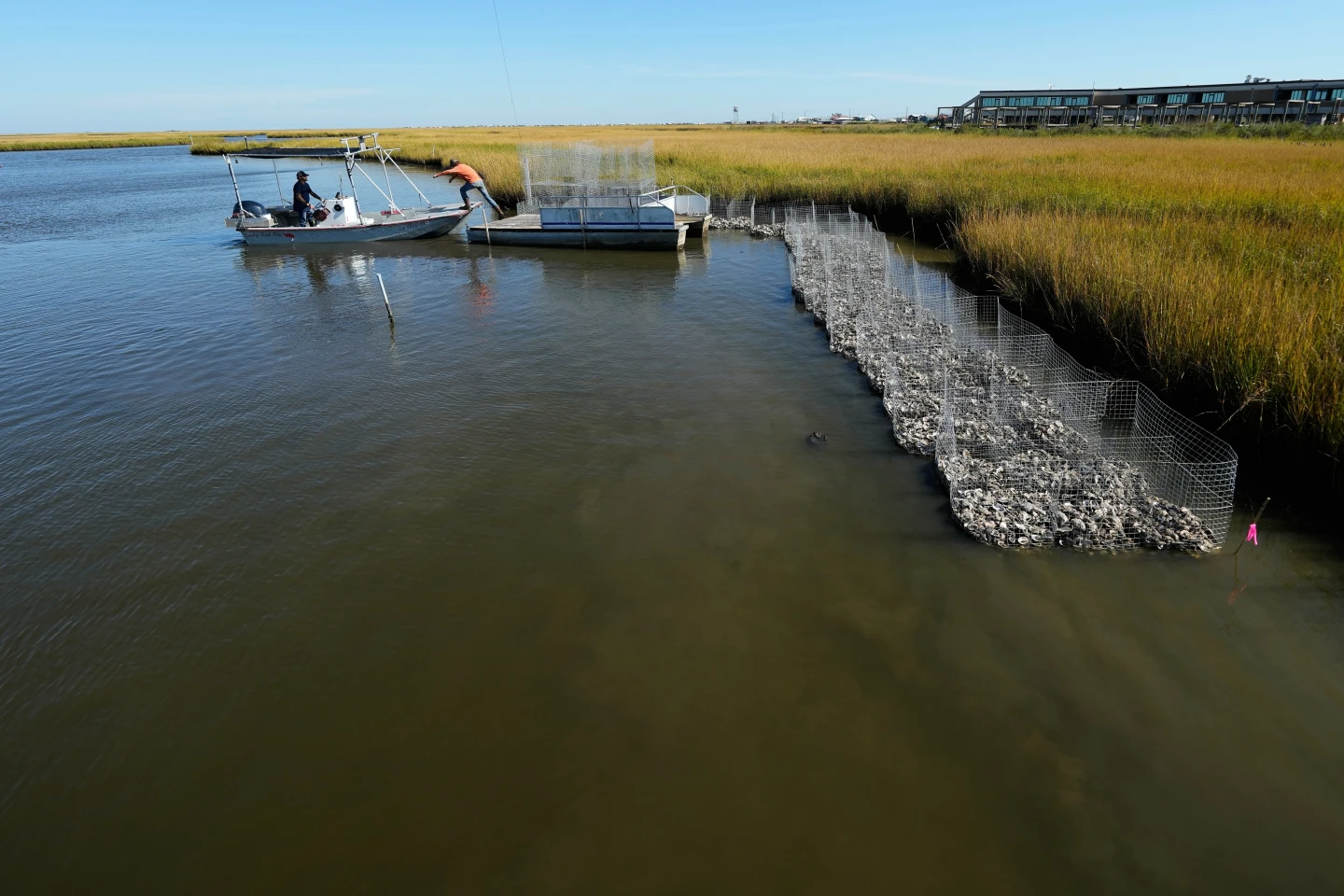
Recent initiatives, such as constructing makeshift oyster shell reefs, aim to slow the pace of land loss. Since their inception in 2014 by the Coalition to Restore Coastal Louisiana, these efforts have recycled over 16 million pounds of oyster shells to establish protective reefs along strategic areas. A 2019 reef project by the Pointe-au-Chien tribe led to a 50% reduction in land loss adjacent to its newly protected sites.
Resiliency efforts extend to rebuilding homes that can withstand powerful storms. The destruction caused by Hurricane Ida in 2021 prompted the tribe—and aided by the Lowlander Center—to enhance safety practices with higher foundations and durable construction methods. As tribe members return to their homes post-storms, the focus has shifted not just to reclaiming but to fortifying their lives against future threats.
However, continued struggles remain for these tribal entities in securing to obtain federal recognition necessary for federal support. As the state’s Indigenous communities forge ahead through partnerships with nonprofits, they also express a strong message of preservation—holding tight to their heritage while embracing sustainable practices to adapt to a changing environment.
As elder community member Theresa Dardar reflects on the transformations: “This is where our ancestors were, and we feel like we would be abandoning them.” What remains unwavering is their commitment to stay grounded in their land, as they work to fulfill the needs of both the present and future generations.