Fujisawa’s First Mosque Sparks Townwide Debate on Identity
Today a grassy field in the seaside town of Fujisawa will become the site of its first mosque. For residents, the construction has become a flashpoint for anxiety, hope and protest.
"It makes me worry about how our community might change," long‑time resident Noriko Izumizawa says. She is not alone; hundreds of locals “turned out in the streets to oppose the proposed mosque during an anti‑mosque protest at the train station last year.” Twitter posts and e‑mails blamed the new religious site on fear of a “larger mosque than the nearby Shinto shrine.”
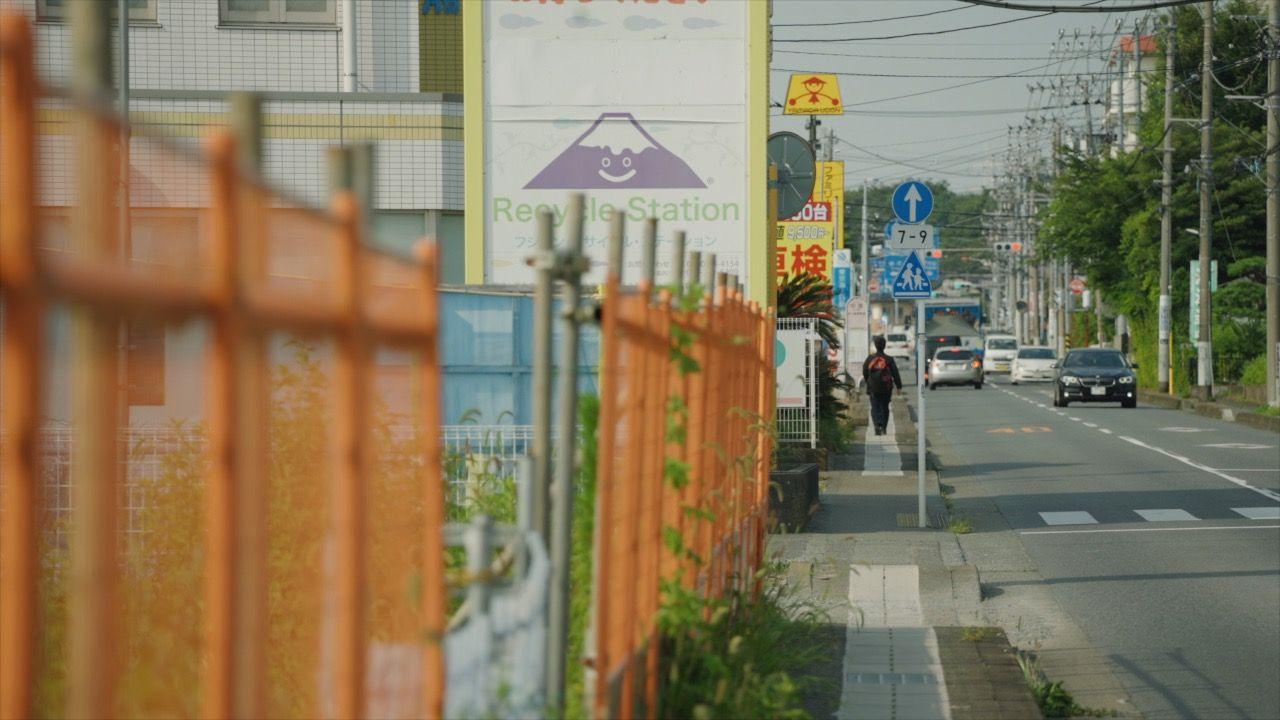
While some residents shout for the project’s removal, others—like 58‑year‑old coffee shop manager Hiroki Suzuka—call for dialogue. “I’m not strictly against it. The first step is to learn who Muslims are, what they believe, and what values they bring,” he says. Suzuka’s shop sits on the same road that will eventually carry the mosque, making the debate a direct matter for his business and neighbours.
The conflict reflects a larger national trend. Japan’s Muslim population grew from 230,000 in 2019 to about 420,000 in 2025, as overseas workers from China, Vietnam, the Philippines and South Korea settle across the country. Yet the government still brands itself as an “immigration‑free” nation, recently raising visa fees five‑fold and planning to increase immigration inspectors by 230.
Islamic communities face harassment. In Osaka, businessman Mohamed Mohideen reports online hate and hate‑crime emails, describing a climate where “people are telling us to get out of Japan.” In Yashio, Shakeel Mohamed works to show locals how a mosque can respect Japanese customs, from proper garbage sorting to wearing helmets while cycling.
Local opposition has co‑existed with orders to protect foreigners from abuse. Anti‑hate groups organised counter‑protests demanding no hate, while authorities stress the need for law‑enforcement measures against those who threaten to ostracise or violent the new community.
At the centre of Fujisawa’s debate is a question that grips much of Japan: Can the country retain its cherished sense of identity while becoming a more diverse society? Izumizawa, who has seen no negative experiences with Muslim neighbours herself, admits: “Maybe I just fear the unknown.” The town’s residence of a mosque ultimately stands as a litmus test in a nation balancing tradition with the realities of a shifting global demographic.