In brief
Wang Jibing, a food‑delivery rider who chronicled his daily grind in verse, captured China’s Lu Xun Literary Prize with his collection *Low Flight*. The award, named after the modern literary titan, signals a surge of blue‑collar voices in China’s literary scene. Despite media pressure, Wang vows to keep his delivery route open, marrying craft and livelihood. His win reflects broader conversations about gig work, creativity, and class in contemporary China.
When Wang Jibing’s collection Low Flight won China’s top literary prize, it was less a surprise and more a silent flare that finally filled the cultural air with voices from the ground floor.
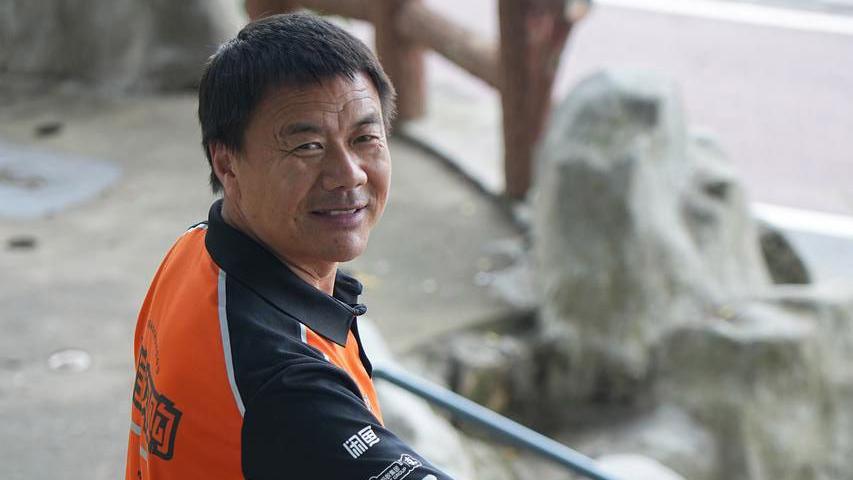
At 56, Jiangsu‑born Wang Jibing began delivering takeaway in 2019 after years juggling construction sites, waste salvage and street stalls. Yet he kept reading and writing—posting poems on any niche he could find, from the quiet corners of scavenging sites to the hum of a courier’s bike. His work took off when a 2022 piece titled “Man in a Hurry”—born from a misdirected address and endless chasing—went viral across Sina Weibo and Douyin.
That success led him to compile 2023’s first poetry volume, Man in a Hurry: Poems of a Food Delivery Rider. A year later, Low Flight—interviews with 200 riders, city‑wide surveys, and the rhythmic pulse of tail‑gates—met the Lu Xun Literary Prize judges’ eyes.
The Lu Xun prize, named after the “father of modern Chinese literature,” carries a prestige comparable to the National Book Award. Its 2014 monetary award reached 100,000 yuan (about $14,800). Wang was awarded in a ceremony that left him shaking in disbelief: “I held my breath and felt extremely nervous… Once it was revealed, everything was settled,” he recalled to Global Times on 15 July.
What makes this win remarkable isn’t the prize money but the narrative it amplifies: a gig‑worker’s voice, untouched by the literary elite’s usual ivory towers. China’s blue‑collar workers have quietly been stepping onto the literary stage—Hu Anyan’s memoir I Deliver Parcels in Beijing and Fan Yusu’s autobiographical essay, both of which sparked online fervour and prompted the writers to leave their homes to bear media attention.
Lu Xun himself, celebrated for questioning traditional society in satirical works like *The True Story of Ah Q*, remains a beacon for young writers. His characters often echo modern disillusionment—most famously Kong Yiji, now a meme embodying the jobs‑search anxiety that grips a generation.
Now, Wang plans to ride out even into his sixties—“Financially I don’t need this job to make a living, but I love the vibe of the work and it keeps me fit,” he said. He insists the procession of his writing will continue, grounded in the streetcars and breadcrumbs of urban China.
The Lu Xun award is a reminder that the stories of everyday life can shine on a world stage—especially when told by those carrying the city’s most literal burdens.
Learn more about China’s rising literary panorama in our In-Depth Spotlights.
Source: Xinhua, 20 July 2026.