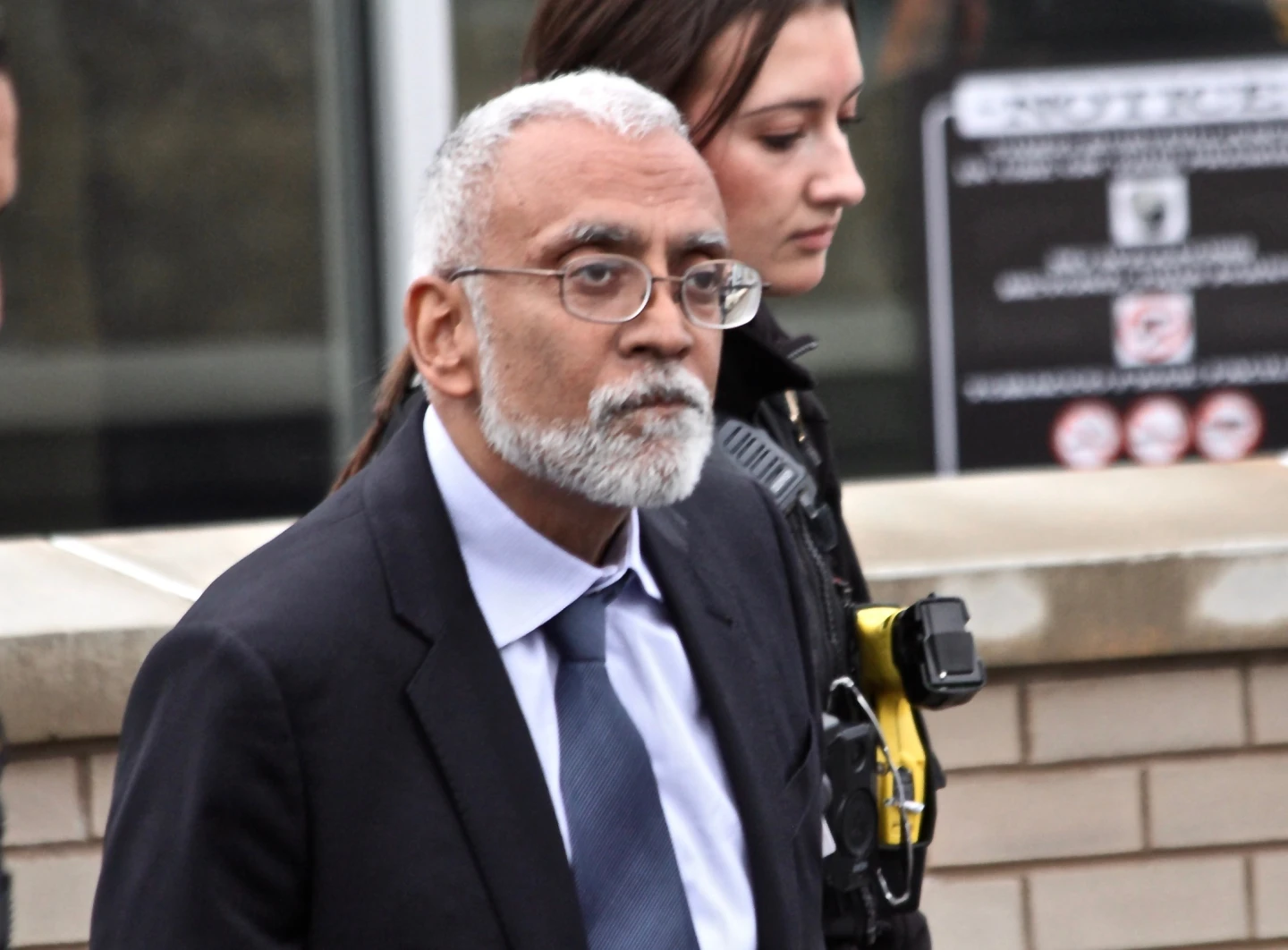
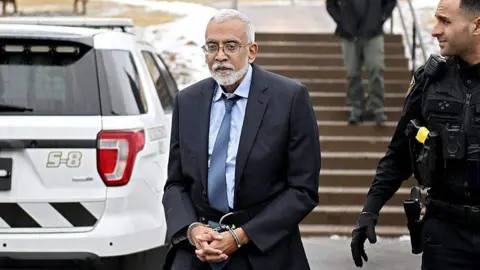
NEW ORLEANS (AP) — A down-ballot race for New Orleans Clerk of Criminal Court has turned personal and contentious, as candidate Calvin Duncan, who spent three decades in prison before his conviction was vacated, faces attacks from Louisiana’s attorney general and the incumbent clerk over questions surrounding his exoneration status.
Duncan, 62, taught himself law while in prison and struggled for years to access his records, making his bid for the city’s top criminal record-keeping position deeply personal. “I don’t never want to have what happened to me happen to nobody else,” he asserted, alongside confirmation of his vacated murder conviction listed in the National Registry of Exonerations.
The race has grown heated due to disagreements over the definition of “exoneration” related to Duncan’s past. With the election approaching on Saturday, Duncan finds himself in a political firestorm.
Attorney General Liz Murrill and incumbent clerk Darren Lombard allege that Duncan was not innocent, referencing a prior plea deal he accepted under pressure for manslaughter. In various media exchanges, Lombard has referred to Duncan as a murderer, igniting fierce backlash from Duncan’s camp.
Duncan, a Democrat, claims his opponents are misleading voters in a race that reflects the brutal nature of New Orleans politics. He is not alone in the upcoming municipal election; over 10 candidates are also vying to replace the term-limited Mayor LaToya Cantrell, who is facing corruption charges.
Jessica Paredes, executive director of the exoneration registry, argues that Duncan’s case meets established criteria, asserting its legitimacy in the bigger picture of wrongful convictions. “Calvin’s exoneration was not one of these close calls. His case clearly meets our inclusion criteria,” she stated.
The controversies do not end there. After Duncan obtained a law degree, he sought compensation for his wrongful conviction but faced resistance from Murrill. His legal battles escalated, culminating in accusations of misrepresentation just days before the election.
A self-taught lawyer, the political landscape presents a new challenge for Duncan, who has gained a degree of notoriety in the legal community for his earlier success, including influencing Supreme Court rulings against non-unanimous jury convictions. Once essential court documents were arduous to acquire for inmates like him, creating a system fraught with access issues.
With the exposure of past and present injustices, Duncan’s pledge to enhance the efficiency of criminal records management symbolizes a potential shift in New Orleans's legal landscape, offering insight into the challenges faced by individuals navigating wrongful convictions.